The Ōbaku School
Another Zen,brought by Master Ingen.
A school of Zen brought to Japan at the start of the Edo period by Zen Master Ingen Ryūki (Yinyuan Longqi) of Ming China.With the Rinzai and Sōtō schools, it is one of the three Zen schools of Japan.
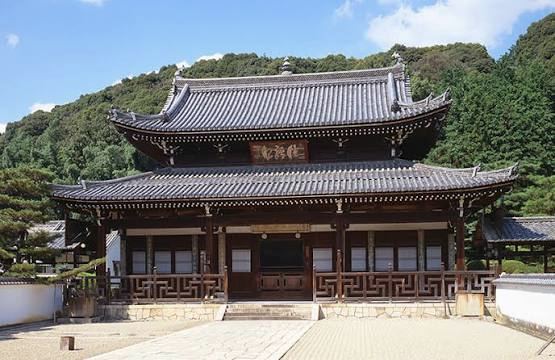
- 1654Master Ingen comes to JapanAt the age of 63, with some twenty disciples, he arrives in Nagasaki.
- 1661Manpukuji is foundedIn Uji, Kyoto: Ōbakusan Manpukuji, named after the temple of his homeland.
- 1876The Ōbaku school stands on its ownIn Meiji 9, it takes the name of the Ōbaku school, a school of its own.
The teaching
Zen and the nenbutsu, bonbai, shingi.
Zen and the nenbutsu
There is no Pure Land outside the mind; Amida Buddha is within one's own mind."The Pure Land is the mind alone; Amida is one's own self" (yuishin no jōdo, koshin no mida). In zazen, one faces one's own mind.
Bonbai
Sutras read in tō-on, the Chinese-style reading, set to a melody in four beats.They are chanted together with the percussion: the mokugyo, bells and drums.
Shingi
The Ōbaku Shingi, the rules laid down by Master Ingen.It sets out the daily life of the monks in training and the forms of the ceremonies.
Going deeper
Five doors into Ōbaku.
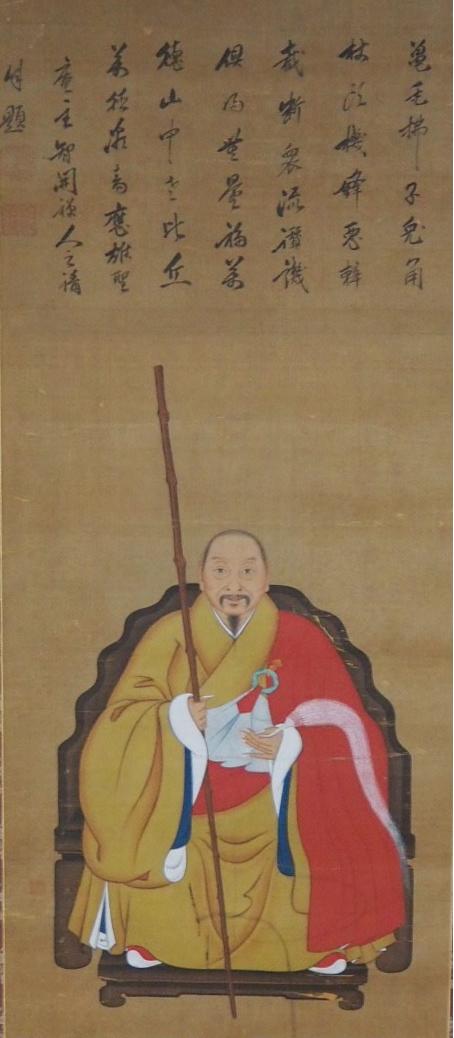 Founding mastersIngen, Mokuan, and ChōonThe lives of three Zen masters, and their ties to Horinji.Read
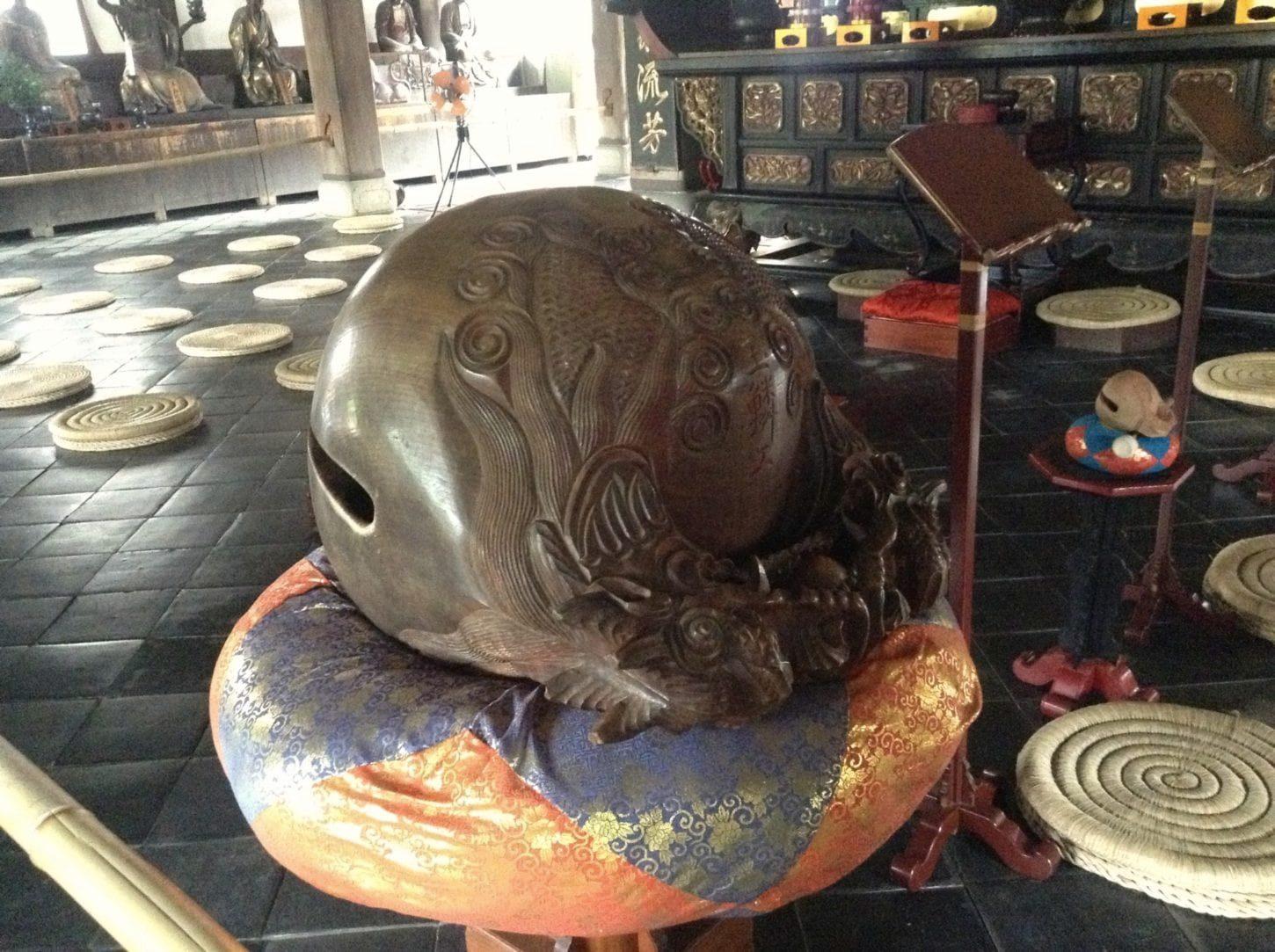 Brought to JapanWhat Master Ingen broughtThe mokugyo, fucha ryōri, ingen beans: Ōbaku in everyday life.Read
- Manpukuji, the head templeHalls that are National TreasuresA Chinese-style temple facing west, its halls joined by corridors.Read
- Ōbaku temples (in Japanese)Ōbaku temples across JapanTemples in 38 prefectures, on a map.Read
- Dictionary of Ōbaku terms (in Japanese)Words of Zen lifeLook them up, read, and come to know Ōbaku.Read
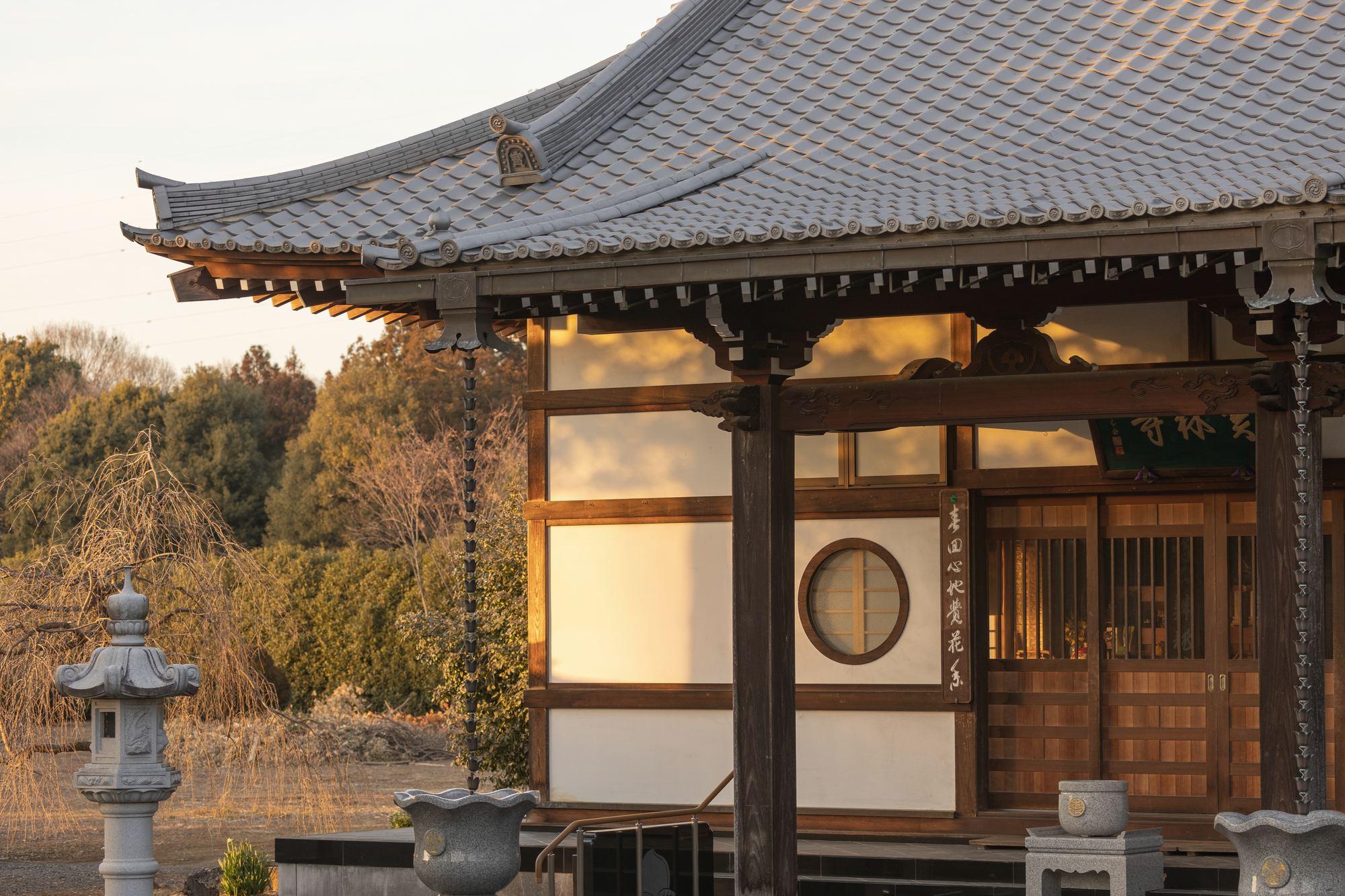
Horinji and Ōbaku
From Master Chōon to today.
In Kanbun 7 (1667), Zen Master Chōon Dōkai came as the abbot who restored the temple,and Horinji began its way as an Ōbaku temple.
Read the history