
History
Zen Master Chōon Dōkai
and the story of Horinji Temple.
One Zen monk formed a bond with a man who would later become shogun and brought a temple into being, and that story leads on to the Horinji of today.
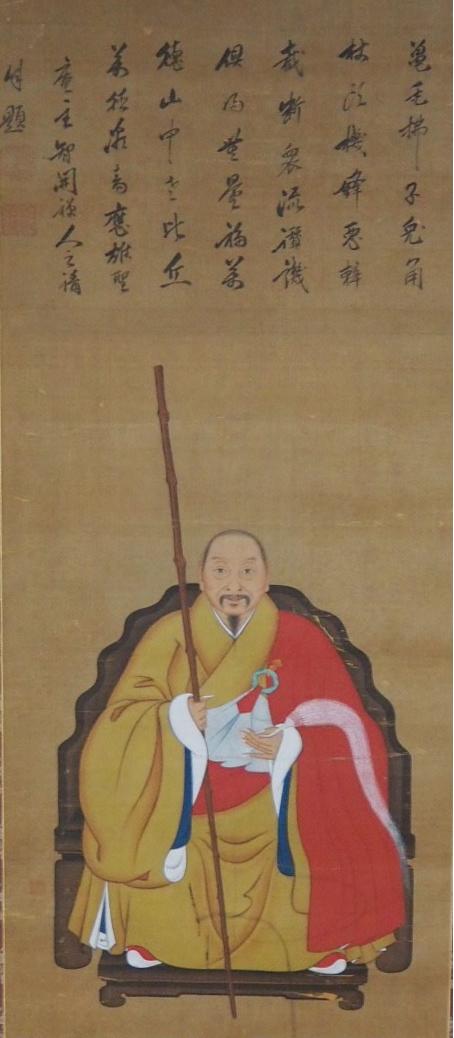
By Kita Genki · Important Cultural Property designated by the town of Chiyoda
1306
The beginning
Horinji Temple was founded in Tokuji 1 (1306). Its founding abbot is said to have been Zen Master Daisetsu Sonō (the 49th abbot of Kenchōji Temple and the 40th abbot of Engakuji Temple).
In the Tenshō era (1573–91), the temple was laid waste by the fires of war.
1667
The revival
“In Kōzuke Province (today's Gunma) there is a temple built by Zen Master Daisetsu Sonō, but it has been left in ruins, and its parishioners hope to see it rebuilt.” On hearing these words of Layman Suda Kakushin, the founding patron of the restoration, Zen Master Chōon Dōkai (1628–1695), who revered the Zen of National Teacher Zhongfeng, showed his eagerness to rebuild it.
On the fifteenth day of the second month of Kanbun 7 (1667), the Master was installed as abbot of Shinpukuzan Horinji, and wrote these lines:
瓶錫相携入寳林
門庭寂寞緑苔深
国師面目依然在
明月一天耀古今
1669
The bond with Lord Tsunayoshi
The Master's lectures on the Kannon Sutra for the local people became famous, and word of them reached Tatebayashi Castle. His Dharma talks at the castle went on for more than twenty days, and many of the lord's retainers, beginning with the chief retainer in charge of the castle, Kaneda Tōtōmi-no-kami Masakatsu, became his followers.
“We wish to keep so eminent a monk within our domain.” At the request of his senior retainers, the lord of Tatebayashi Castle, Tokugawa Tsunayoshi (later the fifth shogun), founded Mantokusan Kōsaiji in the castle town in Kanbun 9 (1669). Zen Master Mokuan Shōtō (Muan Xingtao, 1611–1684) was welcomed as its founding abbot, and Master Chōon became its second abbot.
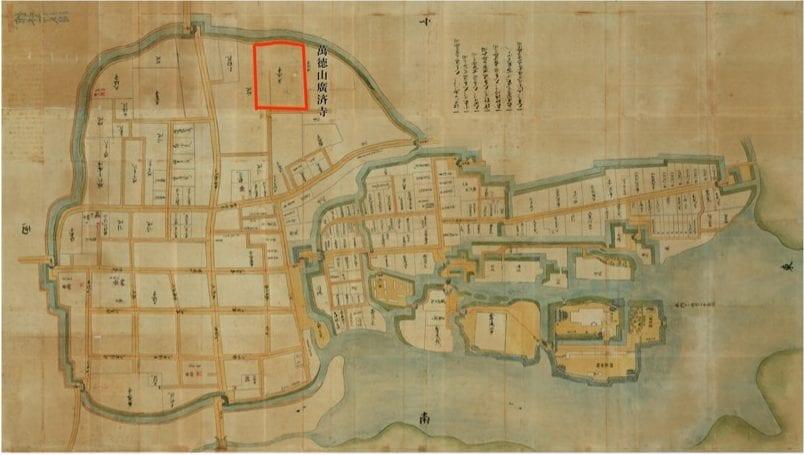
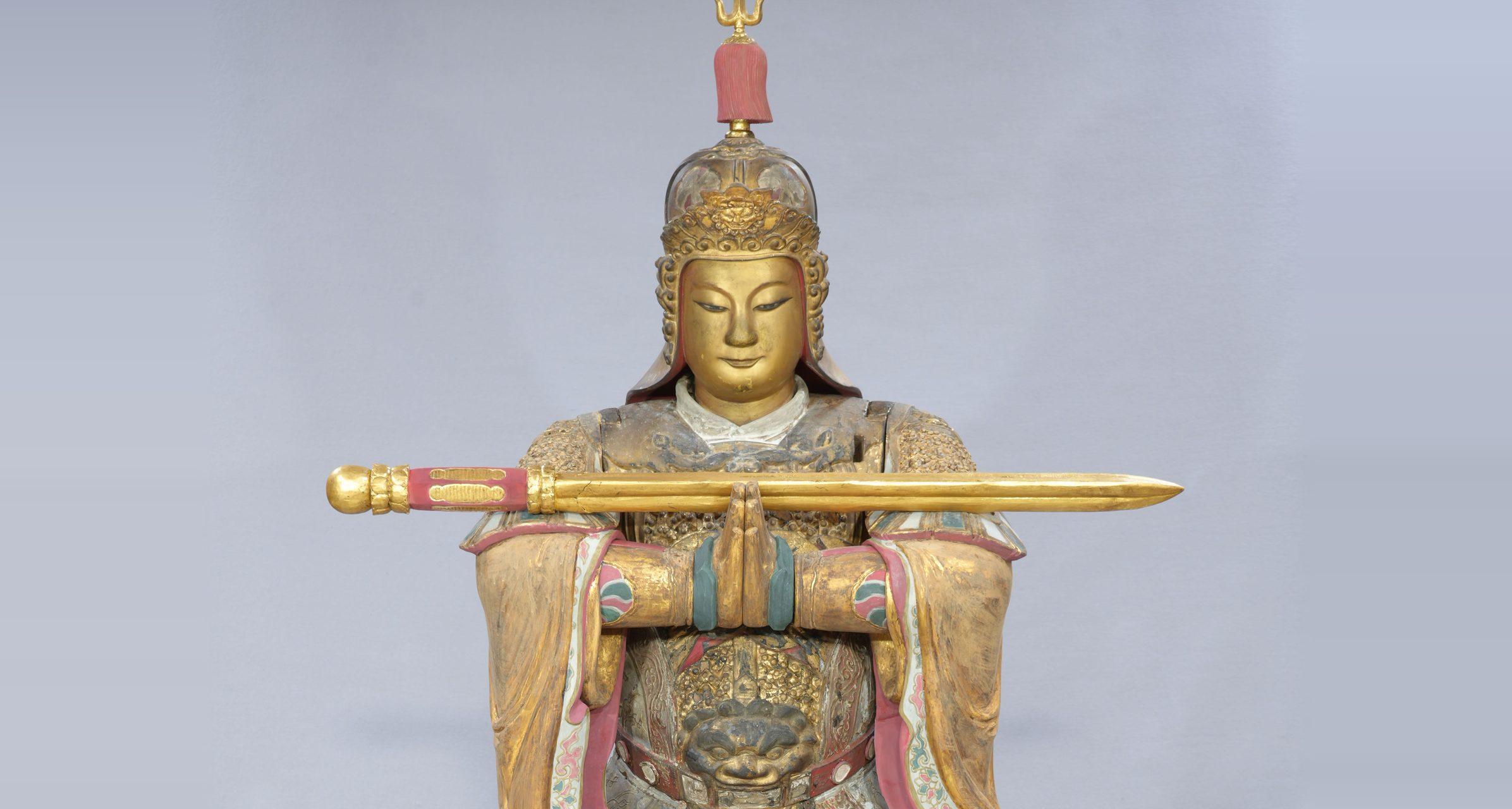
Important Cultural Property designated by Gunma Prefecture · restored in Reiwa 7 (2025)
1683
From Kōsaiji to Horinji
At Kōsaiji, Buddhist statues carved by the Kyoto sculptor Kōyū Hōgen were enshrined, and the senior retainer Kuroda Shinano-no-kami had a temple bell cast.
In Tenna 3 (1683), when the lord of Tatebayashi Castle, the young lord Tokumatsu, died, the castle was pulled down, and Kōsaiji ceased to be a temple. Because Master Chōon was the abbot of Horinji, the Buddhist statues and the temple bell were moved to Horinji. In Reiwa 4 (2022) that group of sculptures was designated an Important Cultural Property by Gunma Prefecture.
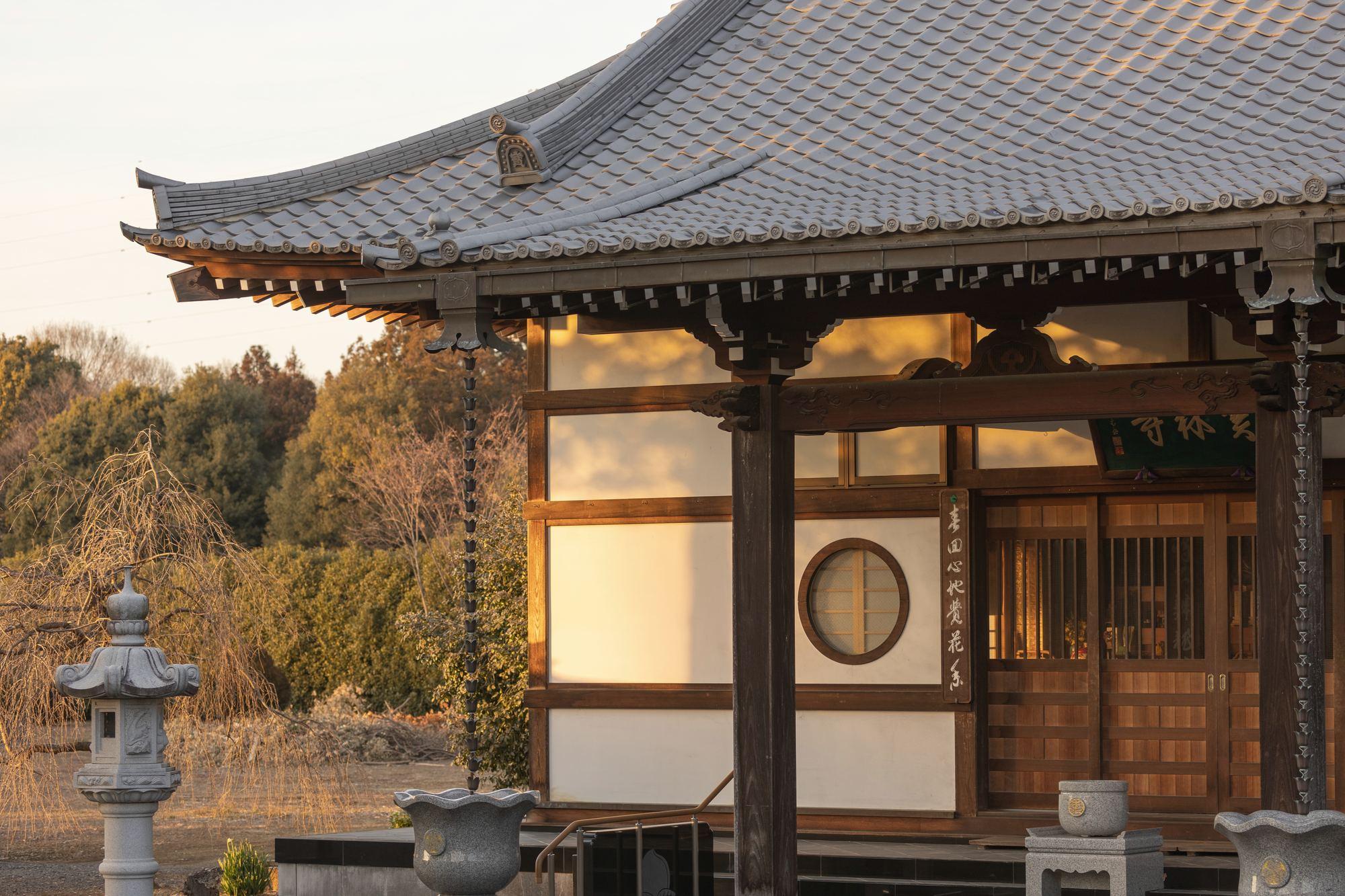
Horinji today
Repeated great fires, up to Keiō 2 (1866), took many of the temple's buildings. The main hall was rebuilt in Meiji 34 (1901); the main hall and the main gate were rebuilt in Heisei 18 (2006), and the bell tower in Heisei 28 (2016).
In Reiwa 5 (2023) a temple lodging opened in the grounds, and in Reiwa 7 (2025) the restoration of the statue of Idaten (Skanda), the guardian of temples, was completed.
Chronology
A record of Horinji, and of the lineage of Kōsaiji and Ōbaku.
Tokuji 1 1306
Horinji is foundedHorinji
Tenshō era 1573–91
Laid waste by the fires of warHorinji
Jōō 3 1654
Zen Master Ingen Ryūki (Yinyuan Longqi) lands at NagasakiMaster Ingen
Kanbun 1 1661
Tokugawa Tsunayoshi becomes lord of the Tatebayashi domain. Master Ingen founds Ōbakusan Manpukuji, the head temple of the Ōbaku school, in Uji, KyotoKōsaiji / Master Ingen
Kanbun 7 1667, the fifteenth day of the second month
Zen Master Chōon Dōkai, the abbot who restored the temple, is installed as abbot of HorinjiHorinji
Kanbun 7 1667, the fifteenth day of the fourth month
Layman Hō※ Dōsei donates the Kinpaiseki, the stone of prohibitions at the gateHorinji
Kanbun 9 1669
Tokugawa Tsunayoshi founds Mantokusan Kōsaiji. Master Mokuan is honored as its founding abbot, and on the tenth day of the tenth month Master Chōon is installed as its second abbotKōsaiji
Kaneda Tōtōmi-no-kami has a statue of Kannon made.Kōsaiji
Kanbun 10 1670
Kuroda Shinano-no-kami (Layman Taigaku) has a great bell cast and placed at MantokusanKōsaiji / Horinji
Kanbun 11 1671
Muroga Sōshū-no-kami commissions Kōyū Hōgen to make the statue of the Teacher of Gods and Humans (Shaka Nyorai, Shakyamuni Buddha). Sano Kichinojō and Watanabe Heizaemon have the two statues of Kashō (Mahākāśyapa) and Anan (Ānanda) made.Kōsaiji / Horinji
Kanbun 12 1672
Kōyū is commissioned to make a portrait statue from life of the old master (Zen Master Mokuan Shōtō). (Now kept at Fugenji Temple)Kōsaiji / Fugenji
Enpō 1 1673
Chidō-to builds the abbot's quarters (hōjō)Horinji
Enpō 2 1674
Soga Iyo-no-kami has the Dharma drum (hokku) madeKōsaiji
The abbot's quarters are completedKōsaiji
Kangetsu gathers donations and has the statue of Kinnara-ō (King Kinnara) made.Kōsaiji / Horinji
Enpō 5 1677
The guest master Daikō, Urayama Sōyū, Suzuki Tokushin and Sakaiya Ichigen have statues made of Idaten, of the guardian deity of the temple grounds (Kakō Bosatsu) and of the First Patriarch (Daruma Daishi, Bodhidharma).Kōsaiji / Horinji
Lady Sōun-in builds the Zen'etsudō hallKōsaiji
The Yoshida and Takayanagi families build the bathhouseKōsaiji
Enpō 6 1678
The guest master Jishō copies the Lotus Sutra in his own blood, gathers donations and has the statue of Miroku (Hotei) made.Kōsaiji / Horinji
Enpō 7 1679
Master Chōon publishes the forty volumes of the main part of the Kuji Hongi TaiseikyōMaster Chōon
Tenna 3 1683
On the twenty-eighth day of the fifth month the young lord Tokumatsu dies, and the order is given to pull down Tatebayashi Castle. Mantokusan Kōsaiji is pulled down; its furnishings, timber and other materials go to HorinjiKōsaiji / Horinji
Up to Genroku 3 Up to 1690
The temple buildings are completedHorinji
Genroku 8 1695
Master Chōon passes away at Mankizan RinsenjiMaster Chōon
Genroku 10 1697
Kōrin, third son of Kōyū, the 26th-generation master sculptor of the Shichijō Naka Bussho workshop in Kyoto, makes the statue of Shaka NyoraiHorinji
Up to Keiō 2 Up to 1866
Lost in repeated great firesHorinji
Meiji 34 1901
Main hall rebuiltHorinji
Heisei 18 2006
Main hall and main gate rebuiltHorinji
Heisei 24 2012
Living quarters (kuri) rebuiltHorinji
Heisei 28 2016
Bell tower rebuiltHorinji
March 18, Reiwa 4 2022
Horinji's group of Ōbaku-school sculptures is designated an Important Cultural Property by Gunma PrefectureHorinji
March 23, Reiwa 4 2022
The painting of the White-Robed Kannon and the portrait of Master Chōon are designated Important Cultural Properties by the town of ChiyodaHorinji
January 30, Reiwa 5 2023
TEMPLESTAY ZENSŌ opensHorinji
December 14, Reiwa 5 2023
Mr. Sugiyama Hōkō makes and dedicates a standing statue of Jizō BosatsuHorinji
February 12, Reiwa 7 2025
TEMPLESTAY ZENSŌ receives the Culture Category Special Award of the Japan Travel Awards 2025Horinji
March 13, Reiwa 7 2025
Of the cultural properties designated by Gunma Prefecture, the statue of Idaten is restored by the Kibi Conservation Studio for Cultural ObjectsHorinji
Events at HorinjiEvents at Kōsaiji, in the Ōbaku school and at related places