

Inheriting history, opening the way.
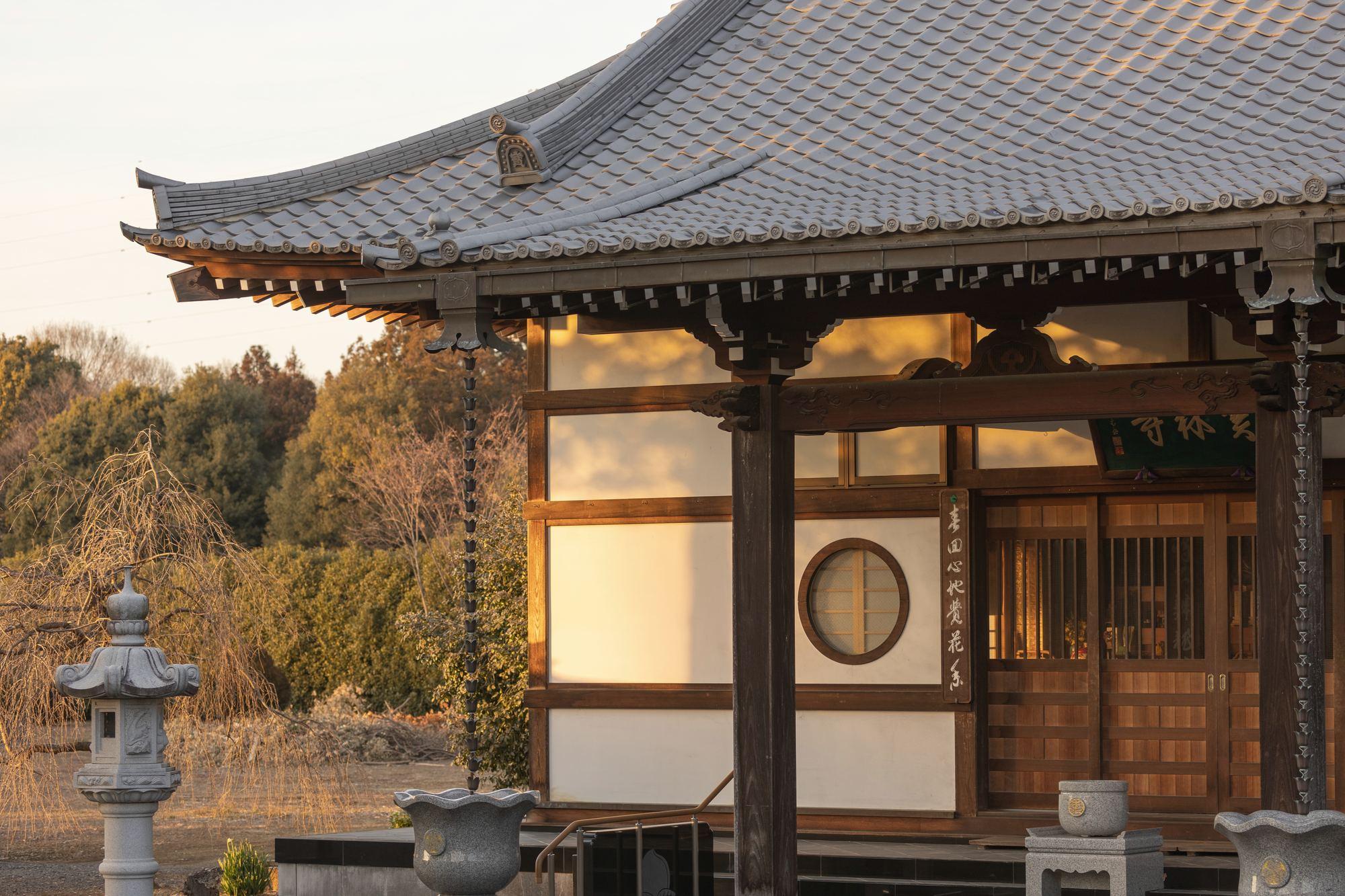
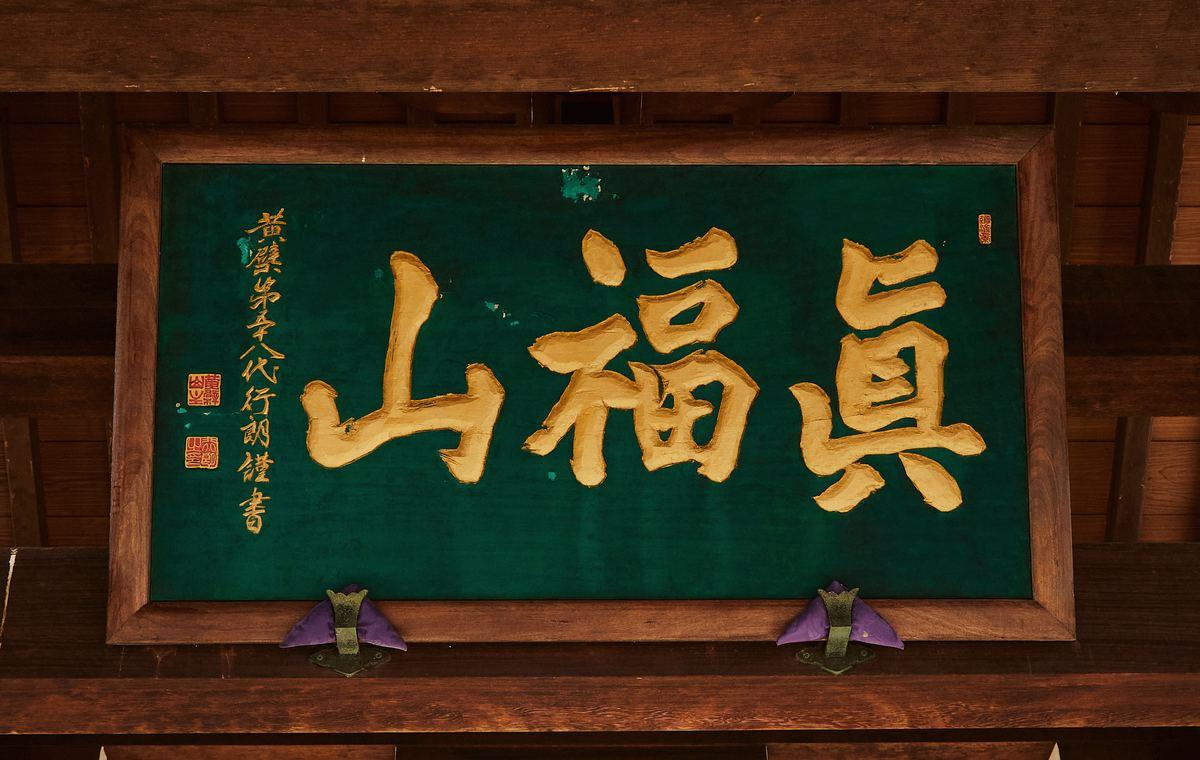
Horinji, the place.
Since its founding in 1306, Horinji has stood here for some 700 years as a Zen temple, walking together with its community.
It began as a training place of the Rinzai school and was revived in the mid-Edo period by Zen Master Chōon Dōkai. Carrying on the Ōbaku teaching brought over from China, the Master made Horinji a center of Ōbaku in the northern Kantō region.
Though repeated fires took many of its buildings, its life as a place of faith has been handed down without a break by its successive abbots and the people of the area.
Forms of prayer, handed down.
The Edo-period Buddhist statues enshrined in the main hall were designated an Important Cultural Property of Gunma Prefecture in 2022 (Reiwa 4), as “the Ōbaku-school sculptures of Horinji.” Made in the Ōbaku style, where the techniques of the continent met Japanese tradition, their exotic bearing and vivid colors have drawn people across the ages.
In 2025 (Reiwa 7), one of them, the statue of Idaten, came back from about two years of restoration. Its lost arms, its jeweled club and its pedestal were made anew, and after more than three hundred years it has regained its former appearance.
For more than 300 years, these Buddhas have been a mainstay of faith.
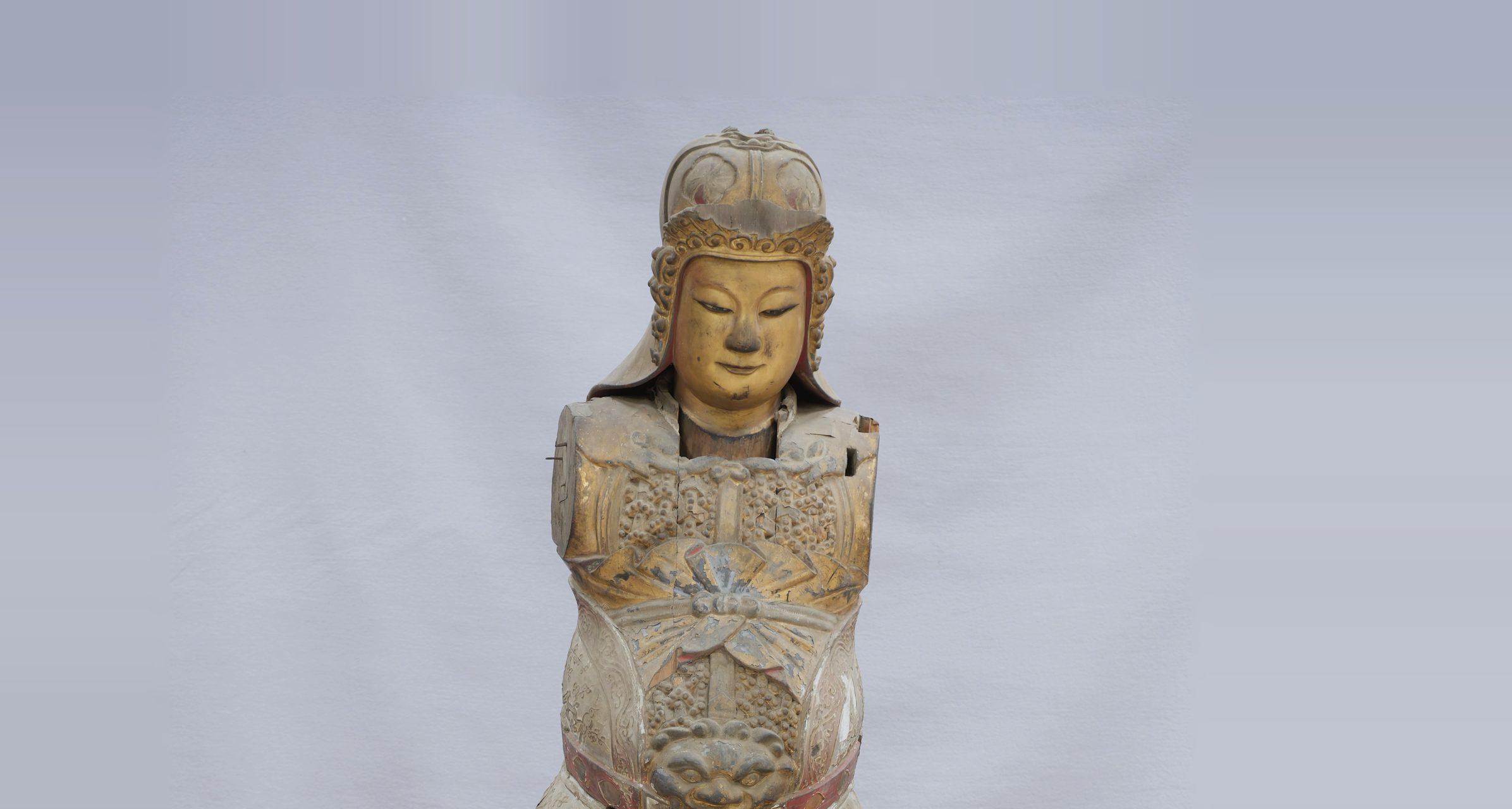
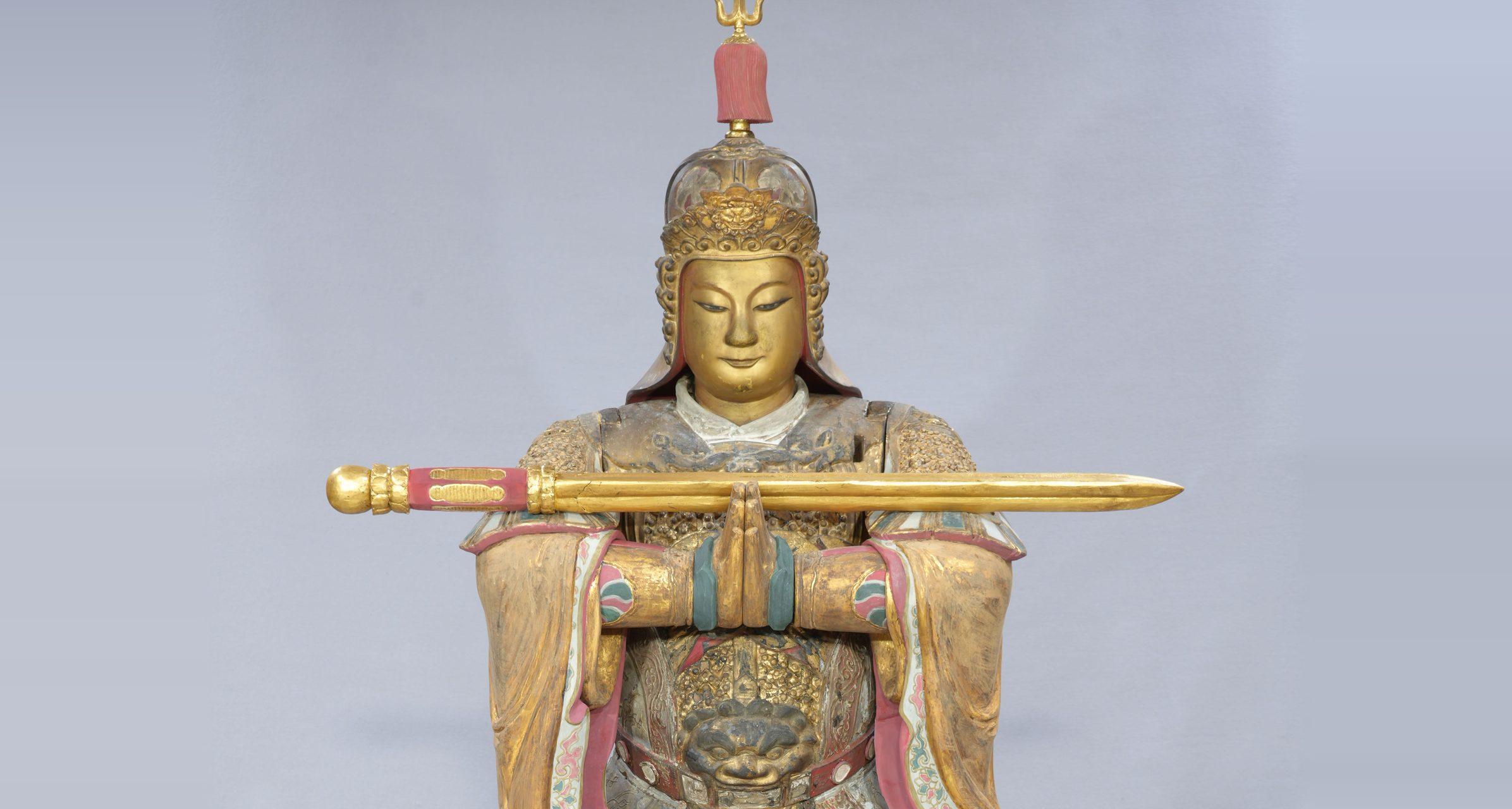
Photographs: Kibi Conservation Studio for Cultural Objects
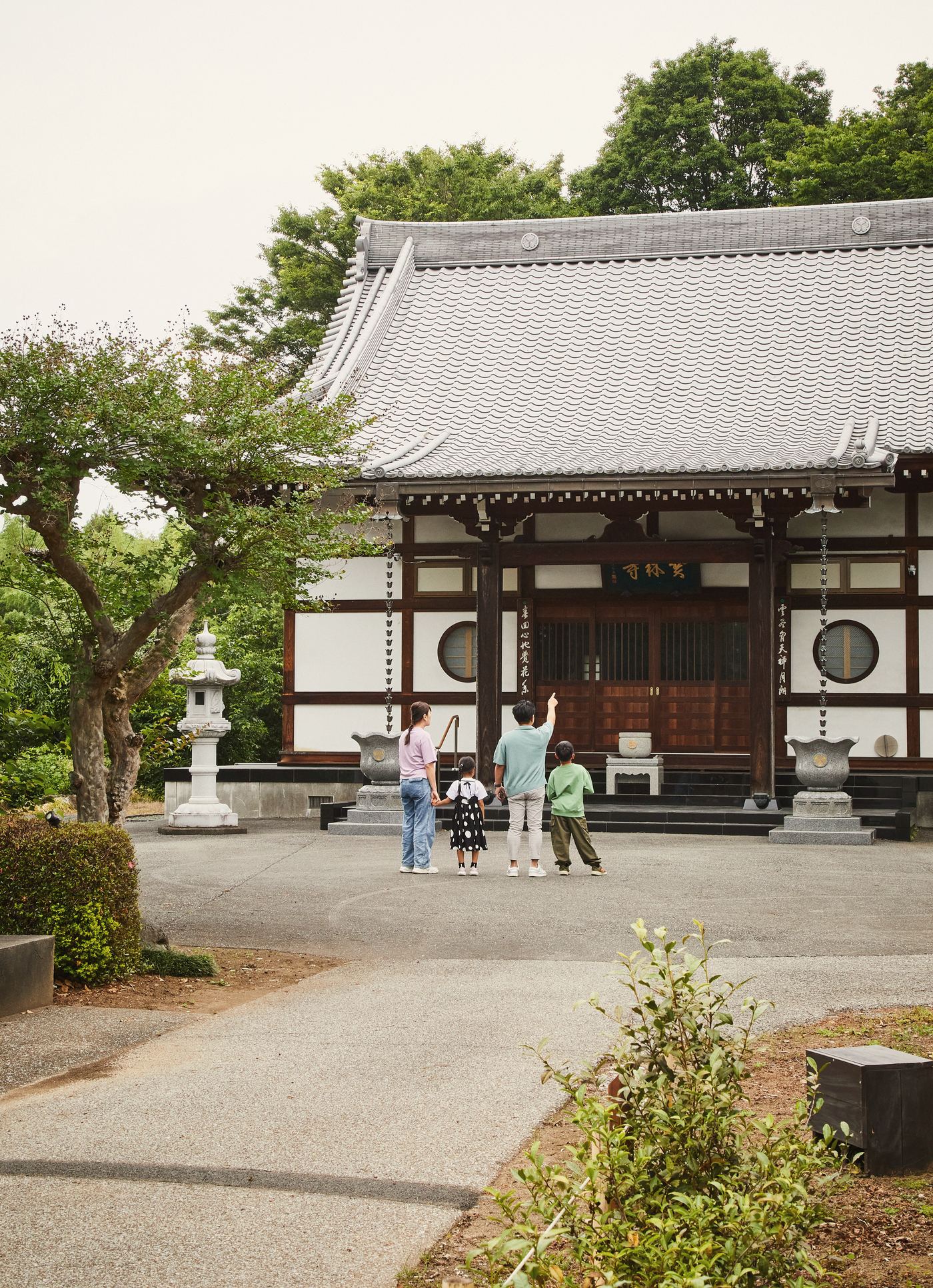
Prayer, in everyday life.
Horinji has walked on as a place to give thanks to the Buddhas and to bring new wishes.
Every year on August 12 and 18, the temple holds the Segaki service, handed down since the Edo period. Offered to every suffering spirit without distinction, it is one of the most important services of the Ōbaku school. On the 18th, the town of Chiyoda also holds its river Segaki.
We also take consultations on memorial services and prayers.
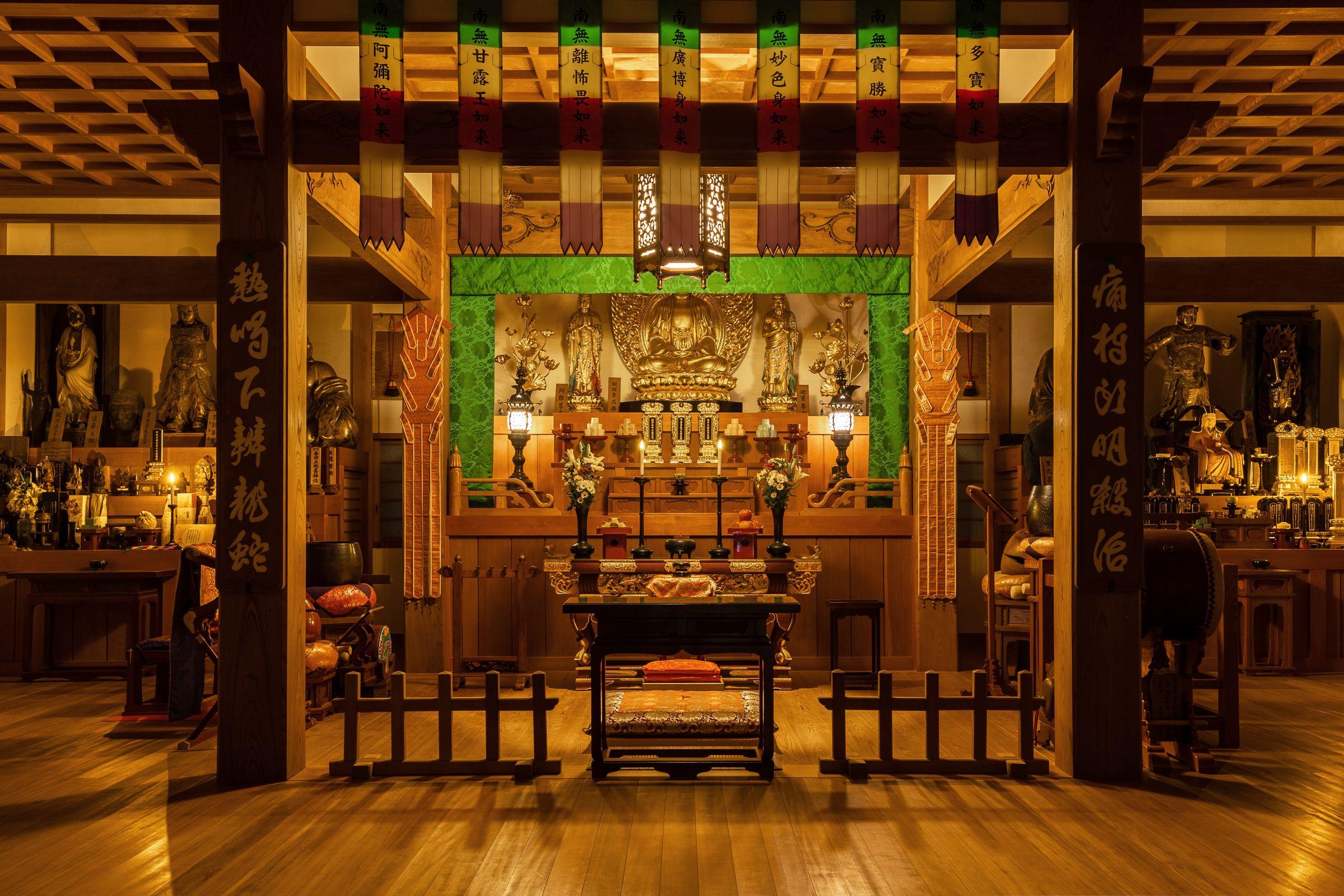
I wish the temple to be a “place the heart can lean on” and a “place of peace” for the people living today.
Passing it on to the next age.
Handing tradition on to the future, and beginning something new without fear of change: at Horinji, both come from the same wish.
- 01
Restoring the statues
Under wayAfter Idaten, the statue of Kakō Bosatsu is now being restored. The statues of Kinnara-ō Bosatsu, Daruma Daishi (Bodhidharma) and Miroku Bosatsu (Hotei) will follow.
More - 02
TEMPLESTAY ZENSŌ
OpenA temple lodging of the Reiwa era at the back of the grounds, with no fixed schedule. It opened in 2023 (Reiwa 5) and received the Culture Category Special Award of the Japan Travel Awards 2025.
More - 03
A vision for the precincts
VisionWe envision building a Tennōden, a Kannon hall, a Garandō, and a Zen hall with a meeting room: an “open place” where people of every generation gather naturally, settle their minds, and learn and meet together.
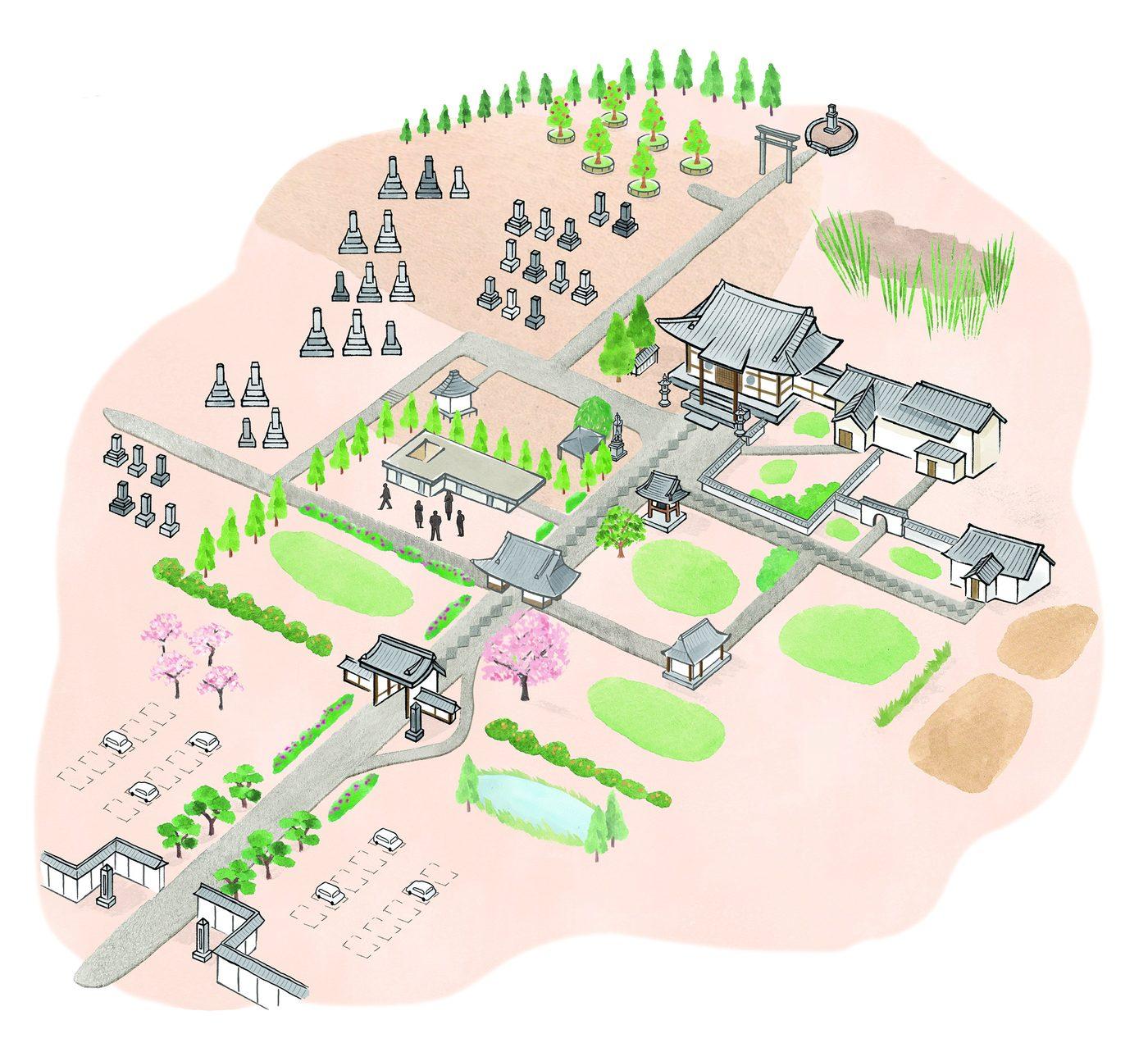
- Standing: 1 Main hall,
6 Main gate, 7 Temple bell (bell tower) - Planned: 2 Tennōden,
3 Kannon hall, 4 Garandō, 5 Zen hall + meeting room
Meet Horinji.
- Visit & accessOpen 8:00–17:00
- Memorial services & consultationsMemorial services and prayers
- SegakiEvent · every year on August 12 and 18
- The New Year’s Eve bellEvent · every December 31, rung once a year
- JournalStories of the masters, and of Ōbaku
- TEMPLESTAY ZENSŌA temple lodging at the back of the grounds
- Papercut goshuin for the restorationA special offering for the restoration of Idaten