Stories
The Story of Zen Master Chōon
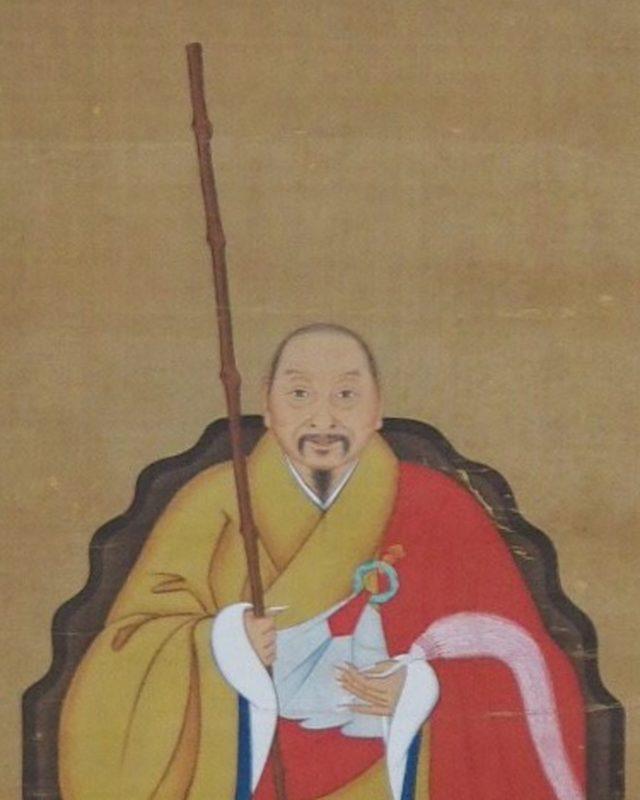
Zen Master Chōon Dōkai (1628–1695) 36 chapters
The life of Zen Master Chōon Dōkai, who restored Horinji and is honored as its second founder: born in Saga, a student of Master Ingen and Master Mokuan, and the teacher who spread the Ōbaku school from Tatebayashi.
Brief chronology
Each chapter number leads to its chapter.
| Year | Age | Events | Story |
|---|---|---|---|
| Kan'ei 51628 | 1 | Born in Nishikawa, Ogi-machi, Ogi District, Hizen Province (Saga Prefecture). His father was of the Kusuda family, his mother of the Maeda family. | Chapter 1Chapter 2 |
| Kan'ei 171640 | 13 | Entered under Taiun of Jiunji Temple in Ogi and became a novice. | Chapter 3 |
| Shōhō 11644 | 17 | Left home and spent one winter in Chikugo, then went up to the capital and devoted himself to study. | Chapter 4 |
| Shōhō 31646 | 19 | Joined the assembly of Nyosetsu at Eigenji on Zuisekizan in Ōmi Province (Shiga Prefecture) and practiced under him. | Chapter 5Chapter 6 |
| Jōō 31654 | 27 | Returned to Hizen. Studied under Ingen Ryūki (Yinyuan Longqi) in Nagasaki. | Chapter 7Chapter 8 |
| Meireki 11655 | 28 | Left insolent words behind and returned to Eigenji on Zuisekizan. | Chapter 9 |
| Manji 21659 | 32 | Built Jōrin-an at Kamo and trained hard with like-minded companions. Became friends with Kihaku Genpō of Goshin-in and the Venerable Gensei of Fukakusa. | Chapter 10 |
| Manji 31660 | 33 | Compiled Accounts of Kannon's Miraculous Responses (観音感通伝) and had it carved on printing blocks. Presented it to Tōfukumon-in. Was welcomed to Mankizan Rinsenji in Mino and entered the temple. Enshrined the Kamo Shrine there. | Chapter 10 |
| Kanbun 11661 | 34 | Went up to Ōbaku and studied under Ingen again. Began the restoration of Komatsuji Temple. | Chapter 11 |
| Kanbun 21662 | 35 | Visited the Ise Shrine for the first time. | |
| Kanbun 31663 | 36 | Received the full precepts at the threefold ordination platform ceremony at Ōbakusan. | Chapter 12 |
| Kanbun 41664 | 37 | Compiled The Winter Fan Collection (臘扇集). Became guest master of Ōbakusan. | Chapter 12 |
| Kanbun 51665 | 38 | Accompanied Mokuan Shōtō (Muan Xingtao) to Edo and came to know men of high rank. Won the devotion of two lay Buddhists, Ikeda Shūhō and Kuroda Taigaku. | Chapter 13 |
| Kanbun 61666 | 39 | Was welcomed to Daiji-an in Edo. The nun Eisan came to study under him, and Lady Ryokuju-in asked him the meaning of the four great vows and the six perfections. Wrote A Compass for the Sea of Fog (霧海南針). | Chapter 13 |
| Kanbun 71667 | 40 | At the request of Suda Kakushin, Yoshida Daiki and others, was installed as abbot of Shinpukuzan Horinji in Kōzuke Province (today's Gunma) (second month). | Chapter 14Chapter 15 |
| Kanbun 91669 | 42 | On the advice of Kaneda Tōtōmi-no-kami, the castle warden of Tatebayashi in Kōzuke, and others, Lord Tokugawa Tsunayoshi (later the fifth shogun) founded Mantokusan Kōsaiji, with Mokuan as its founding abbot. Installed as abbot in the tenth month. | Chapter 16Chapter 17 |
| Kanbun 101670 | 43 | Published Commentary on the Seventeen-Article Constitution (十七条憲法註). | |
| Kanbun 111671 | 44 | Became west hall master (seidō) of Zuishōji Temple. Received certification of awakening (inka) from Mokuan. Honored Ingen as founding abbot of Daijizan Komatsuji. | Chapter 18Chapter 19 |
| Kanbun 121672 | 45 | Became founding abbot of Shikinzan and Fukujuzan in Mino. Lady Ryokuju-in died. | Chapter 20 |
| Enpō 11673 | 46 | Ingen passed away. Gave Dharma transmission to Dōrin Shū. Kōgen of Kurotaki came to study under him. | |
| Enpō 21674 | 47 | The nun Eisan and others moved Daiji-an to Honjo. Opened Ryokuju-in. Became founding abbot of Jingozan in Owari Province. | Chapter 20 |
| Enpō 31675 | 48 | Matsudaira Shinano-no-kami, Nabeshima Kaga-no-kami and Nabeshima Kii-no-kami of Hizen paid him the respects of disciples. Learned of the Kenpō Hongi (憲法本紀) from Ikeda and of the Kuji Hongi Taiseikyō (旧事本紀大成経) from Kyōgoku, and had The Five Constitutions (五憲法; the Kenpō Hongi) carved on printing blocks. Became founding abbot of Fudasan. Became founding abbot of Kurotakisan. His father died. | |
| Enpō 41676 | 49 | Became founding abbot at Mount Asama in Shinano Province. | |
| Enpō 51677 | 50 | Climbed Mount Asama and chanted the food-offering text at the summit. Built the Shinjaku Pagoda. Held the hall-opening ceremony at Mantokusan. Taiun of Jiunji in Hizen passed away. | |
| Enpō 61678 | 51 | Presented the recorded sayings of the hall-opening at Mantokusan to Lord Tsunayoshi. | |
| Enpō 71679 | 52 | Held the hall-opening ceremony at Daijizan in Mino. The forty-volume edition of the Kuji Hongi Taiseikyō was published. | |
| Enpō 81680 | 53 | Founded Shinkō-an (Shinkōji Temple) in Edo. Installed Daikō there. | |
| Tenna 21682 | 55 | Founded Fukuju-an (Taiyōji Temple) in Edo; Senzan lived there. Tenchū entered Zenkai-an. Because of the Taiseikyō affair, was confined behind closed gates for fifty days. Compiled Replies to the Refutation (破文答釈). The three hermitages in Fukagawa burned down. | |
| Tenna 31683 | 56 | The young lord Tokumatsu died. Tatebayashi Castle was pulled down. Left Mantokusan and entered Kurotakisan. Three Turning Words of Kurotaki (黒滝三転語); Poems on the Twelve Views of Kurotakisan (黒滝山十二景詩). | |
| Jōkyō 11684 | 57 | Mokuan passed away. Became founding abbot of Kōkenzan and Uhōzan. | |
| Jōkyō 21685 | 58 | Became founding abbot of Shōkōzan in Hizen. The picture of the Seven Teachers and Seven Friends (Chen Yuanxing). | |
| Jōkyō 31686 | 59 | Enshrined Rokusha Myōjin at Kurotakisan. Held the hall-opening ceremony at Mount Asama. Became founding abbot of Jigenzan. | |
| Jōkyō 41687 | 60 | Wrote and published Record of Nurturing the Sacred Embryo (聖胎長養禄), Poems of Mountain Dwelling in Nanmoku (南牧山居詩), On the Gods Who Protect the Buddha's Teaching in Japan (扶桑護仏神論) and Essentials of the Inscription on Faith in Mind (信心銘要). | |
| Genroku 11688 | 61 | Wrote Treatise on Crushing False Views (摧邪論). The nun Eisan donated the complete Buddhist canon to Kurotakisan. | |
| Genroku 21689 | 62 | Compiled A Brief Collection of Japan's Annual Observances (日本年事略儀集). | |
| Genroku 31690 | 63 | His memorial pagoda, built during his lifetime, was erected at Kurotakisan. Became founding abbot of Kashimasan. Kameda Sogan donated a temple bell. | |
| Genroku 41691 | 64 | Urged Dokutan Shōkei (Duzhan Xingying), the abbot of Ōbaku, to forbid Dharma transmission by proxy, the returning of Dharma transmission, and lawsuits before the authorities. | |
| Genroku 51692 | 65 | Held a precepts ceremony at Kurotakisan. Kameda Sogan donated the main gate. Finished reading the whole Buddhist canon. The nun Eisan climbed Kurotakisan at the age of 86. Held the hall-opening ceremony at Kurotakisan. Built Hōon-in. Became founding abbot of Hōryūzan. | |
| Genroku 61693 | 66 | Drew up the register of the Kurotaki lineage. | |
| Genroku 71694 | 67 | The great hall of Kurotaki and its Shaka triad statues were completed. One Hundred Poems of Nanmoku (南牧百吟集) was published. Compiled Record of the Origins of the Three Ways (三道権與禄). | |
| Genroku 81695 | 68 | Set out for Ōbakusan on the twenty-first day of the second month for the twenty-third memorial of the school's founder. Performed the eye-opening ceremony for the bodhisattva Kokūzō at Enman-an in Shinano Province. Fell ill while staying at Mankizan Rinsenji in Mino. Passed away on the twenty-fourth day of the eighth month. |
Part 1
Childhood and ordination
Chapters 1–4
Chapter 1Kan'ei 5 (1628), age 1
The Master's early life
Zen
He
His
At
Chapter 2Kan'ei 5 (1628), age 1
The makings of a fine general, even as a child
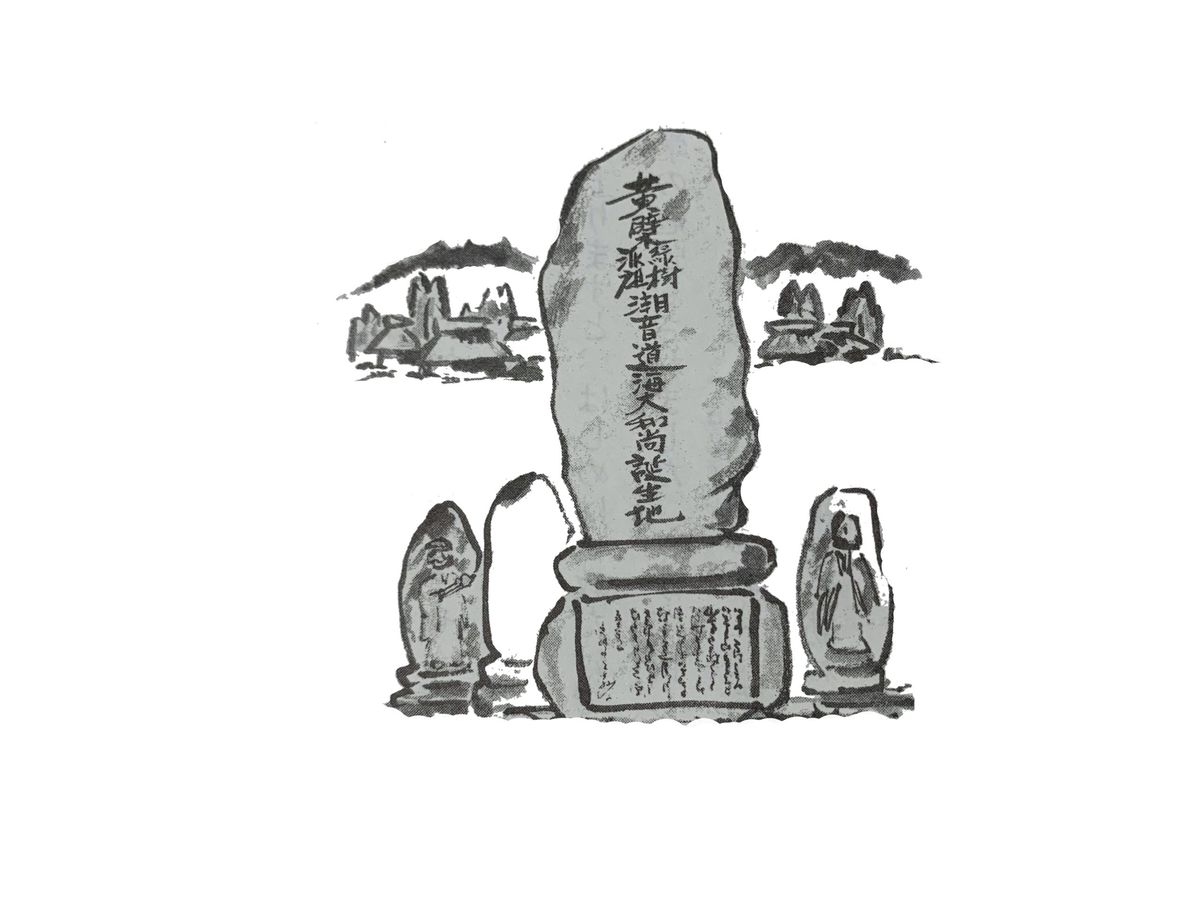
It
At
Then,
Chapter 3Kan'ei 17 (1640), age 13
Leaving home and ordination
At
When
Chapter 4Shōhō 1 (1644), age 17
Setting out to travel the provinces
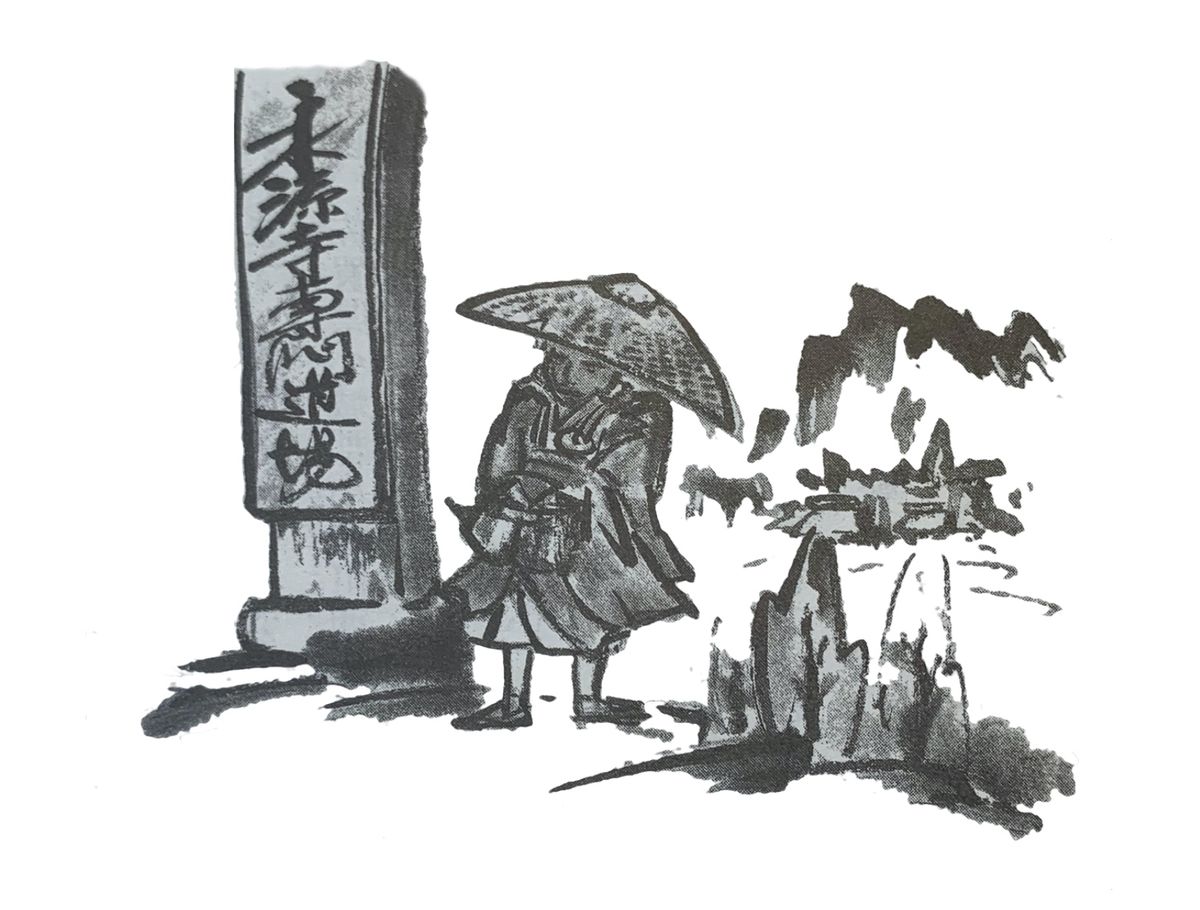
At
At
In
He
First
Part 2
Years of training
Chapters 5–13
Chapter 5Shōhō 3 (1646), age 19
To Zuisekizan, drawn by Zen Master Isshi
At
Master
Chapter 6Shōhō 3 (1646), age 19
Training hard at Zuisekizan
When
In
In
Chapter 7Jōō 3 (1654), age 27
His only return home in a lifetime
In
About
The
Chapter 8Jōō 3 (1654), age 27
Studying under Zen Master Ingen
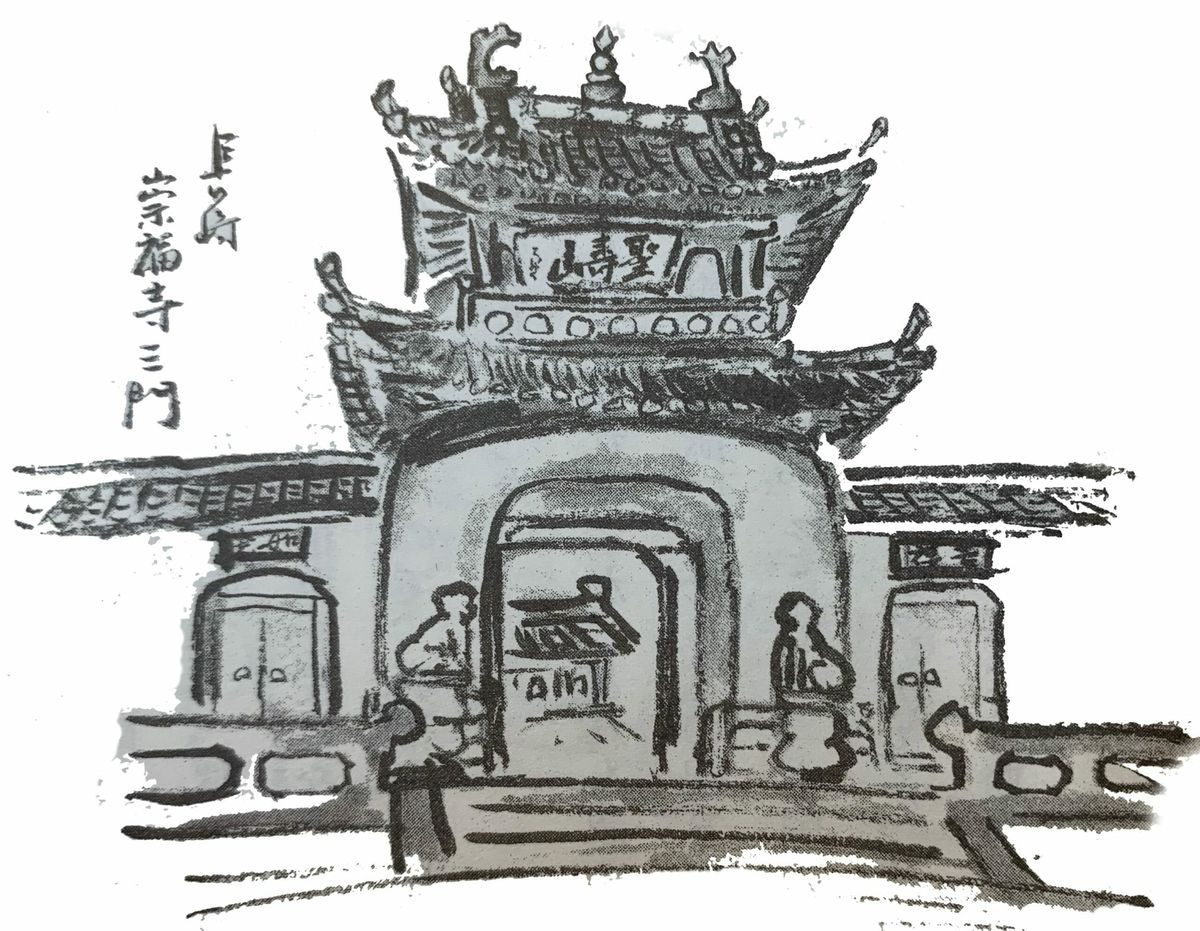
Even
So
In
When
When
at once you grasp this mind and empty both things and self, (頓 に 此の 心を 了じ物我を 空せば )
thewhole great thousandfold world is one and the same. (大千刹界一如 に 同じ)
Ifsomeone should ask what lies within this, (人有 って 若し個の 中の 意を 問わば )
thesun goes down; from a high tower, a jade flute on the wind. (日 は 落ちる 高楼玉笛の 風)
He
Chapter 9Meireki 1 (1655), age 28
Insolent words
Under
One
After
Chapter 10Manji 2 (1659), age 32
Accounts of Kannon's Miraculous Responses
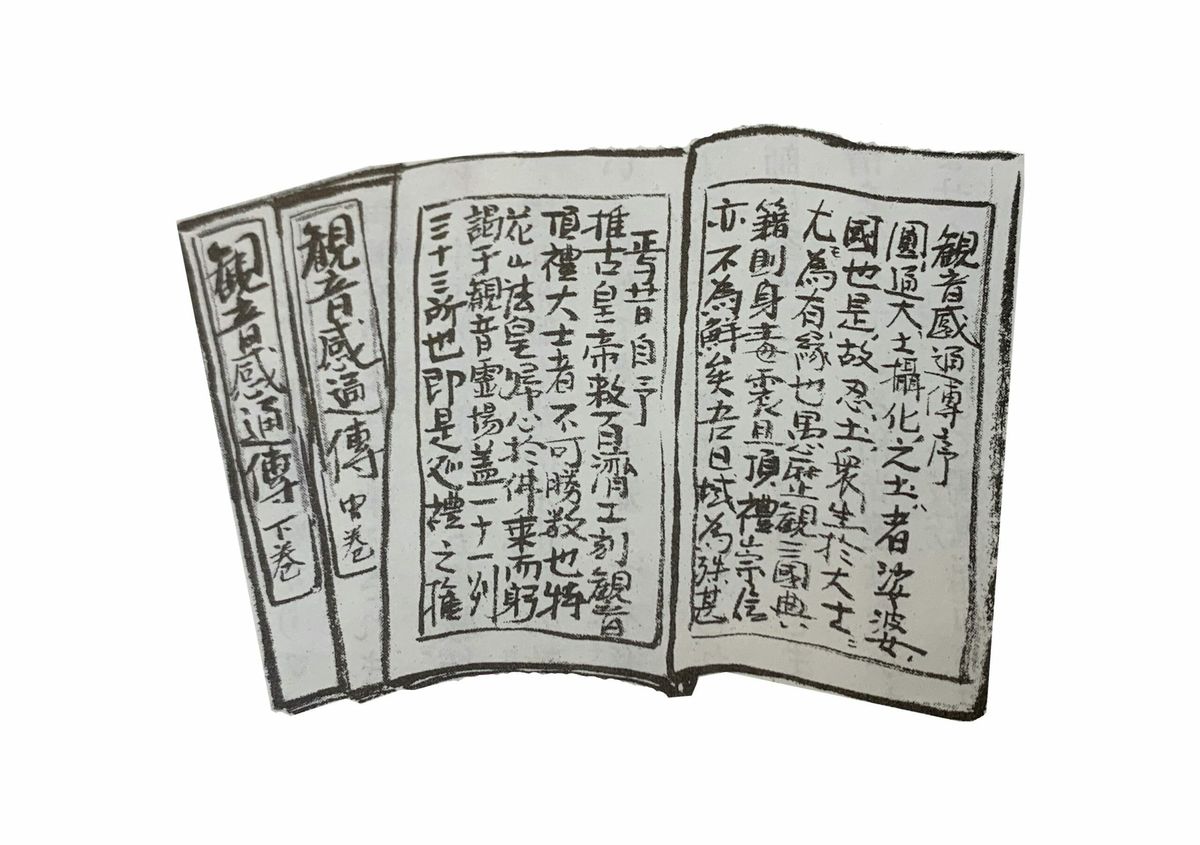
From
One
While
In
Chapter 11Kanbun 1 (1661), age 34
Going up to Ōbakusan
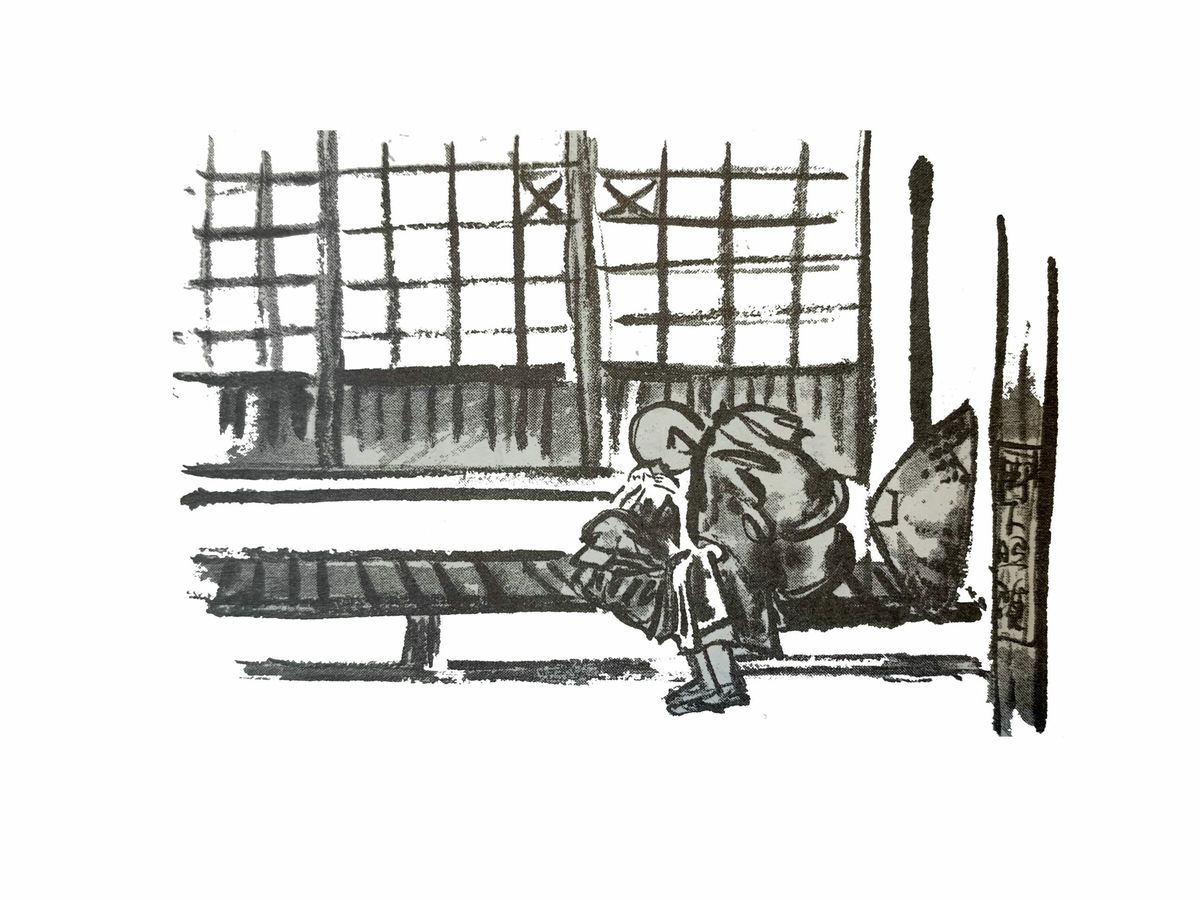
In
Then
Allowed
Chapter 12Kanbun 3 (1663), age 36
Guest Master On is a diamond Buddha
In
In
Also,
In
In
And
Chapter 13Kanbun 5 (1665), age 38
Daiji-an in Edo
In
Master
When
Part 3
To Kōzuke
Chapters 14–20
Chapter 14Kanbun 7 (1667), age 40
Installation as abbot at Shinpukuzan in Kōzuke Province
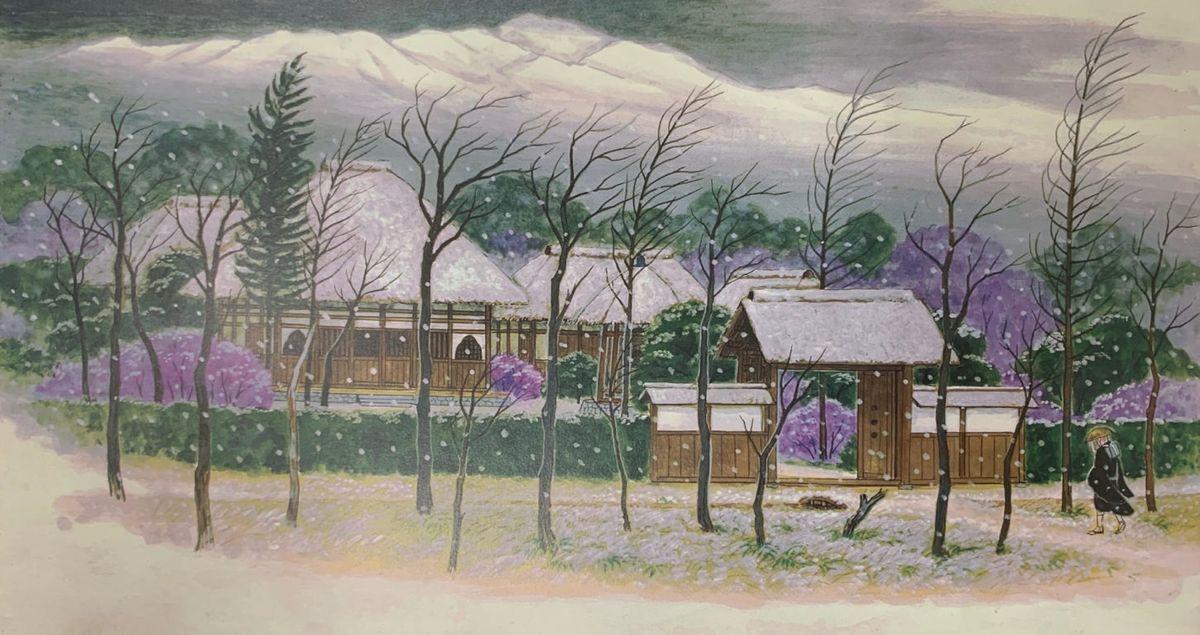
In
This
“A
and
Installed
And
Source:
The Life of Zen Master Chōon Dōkai (潮音道海禅師 の 生涯)
Publishedby the Committee for the 300th Memorial of Zen Master Chōon Dōkai
Illustration:Hashimoto Toyoji
Quotedfrom: The Venerable Shun'ō Reizan: The Founder of Kōonji, the Head Temple at Yamata (峻翁令山和尚 やまた 本坊廣園寺の 開山さま )
Chapter 15Kanbun 7 (1667), age 40
A Dharma assembly inside Tatebayashi Castle
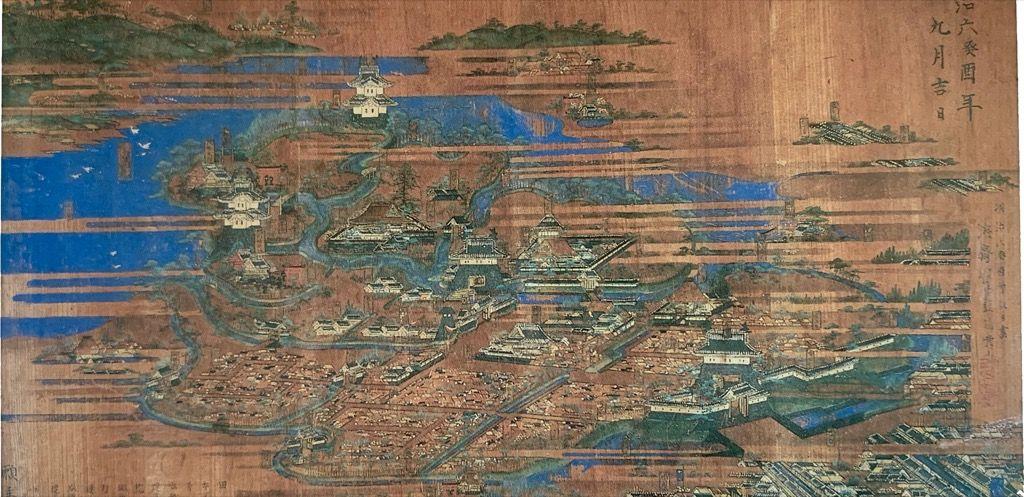
Tatebayashi
The
The
In
- Source:
The Life of Zen Master Chōon Dōkai (潮音道海禅師 の 生涯) - Published
by the Committee for the 300th Memorial of Zen Master Chōon Dōkai
Chapter 16Kanbun 9 (1669), age 42
The founding of Mantokusan Kōsaiji
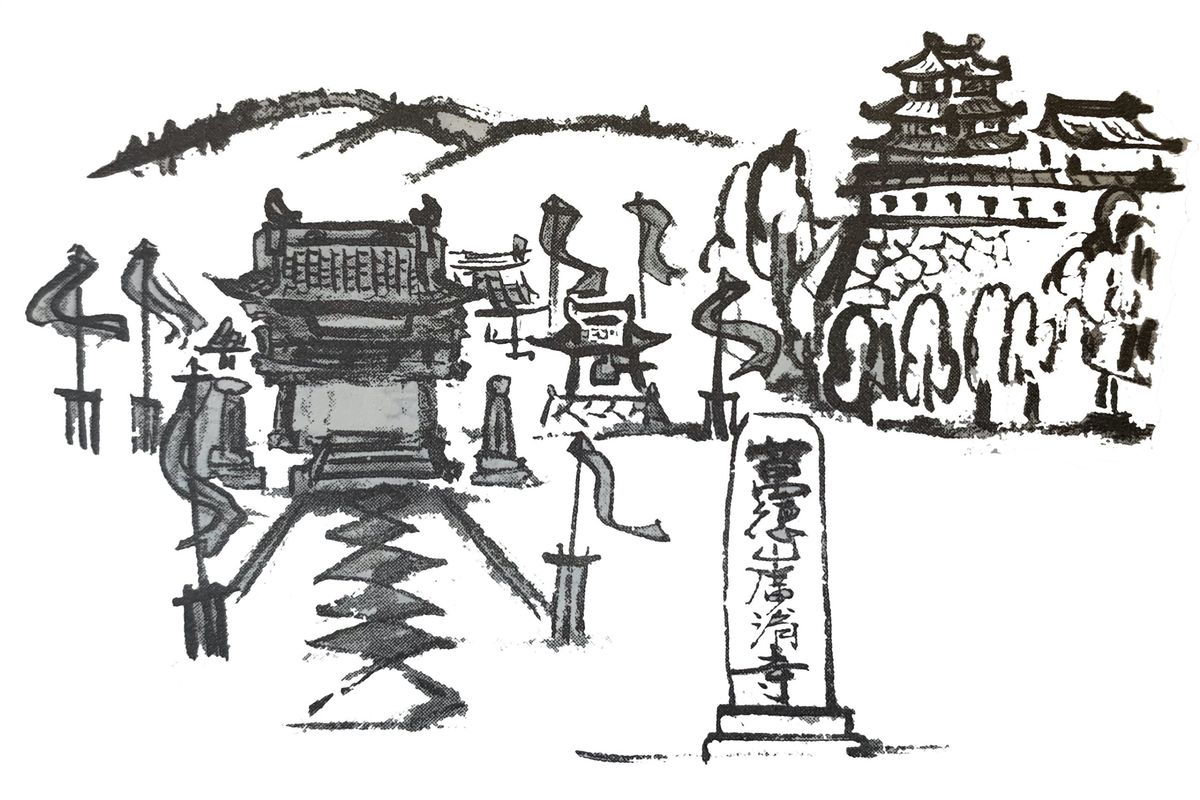
In
Lord
When
Chapter 17Kanbun 9 (1669), age 42
The building of Mantokusan Kōsaiji
Because
The
The
Chapter 18Kanbun 11 (1671), age 44
Master Mokuan's certification of awakening
When
Also,
In
In
Chapter 19Kanbun 11 (1671), age 44
Honoring Master Ingen as founding abbot of Daijisan Komatsuji
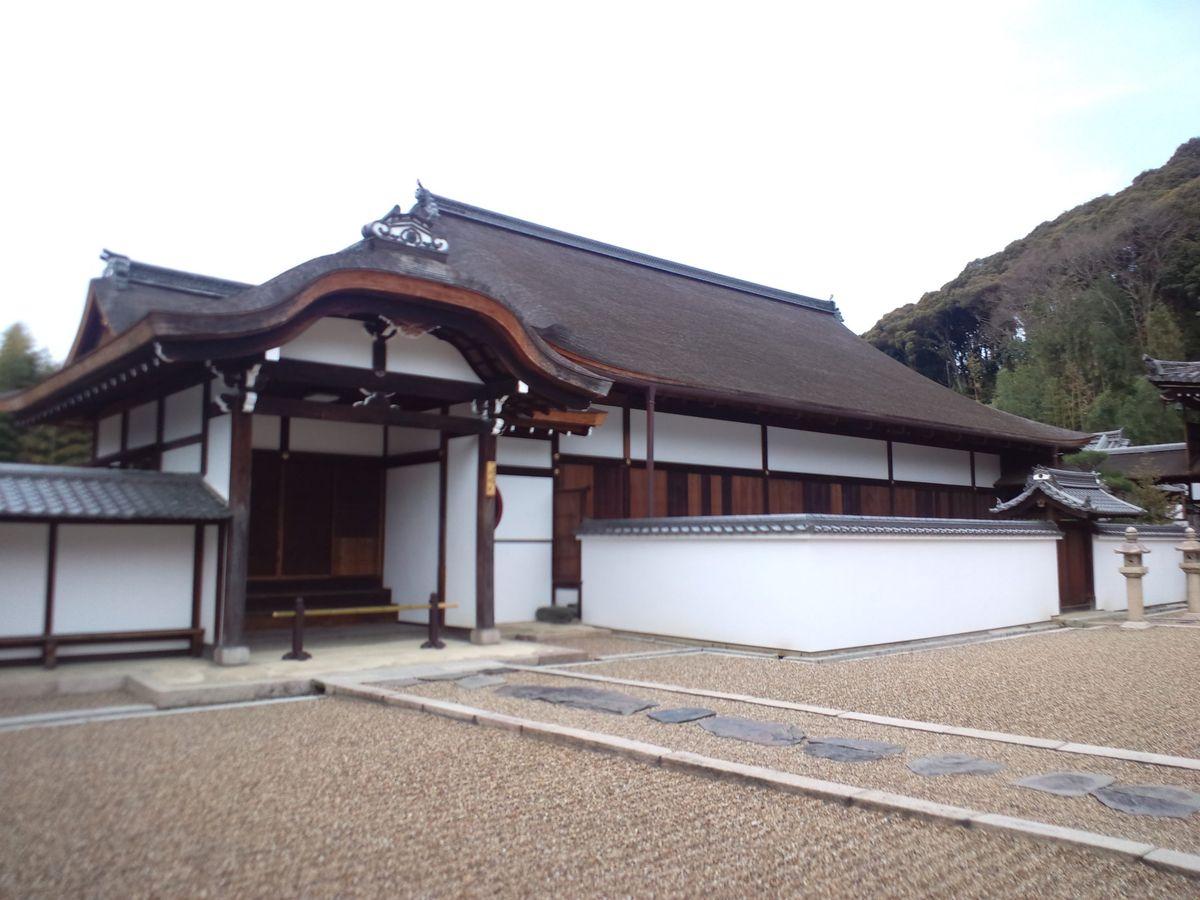
The
After
On
Chapter 20Kanbun 12 (1672), age 45
Opening the sub-temple Ryokuju-in
The
She
When
He
Part 4
Spreading the teaching in the east
Chapters 21–28
Chapter 21
Founding Kurotakisan Fudōji
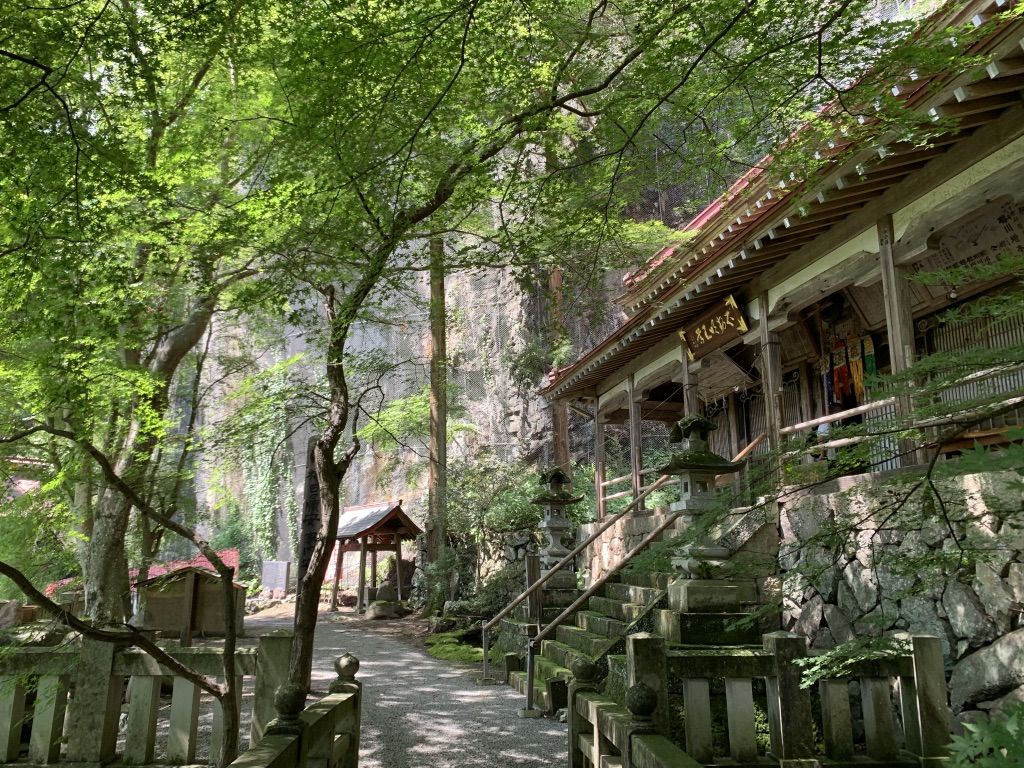
On
On
In
Chapter 22
“Dharma brother Chō is a true ancient Buddha”
Master
In
At
And
Chapter 23
The three Nabeshima lords become his disciples
In
Before
In
In
Chapter 24
Restoring the Fugen Hall at Mount Asama
In
When
He
In
After
Chapter 25
The Kuji Hongi Taiseikyō
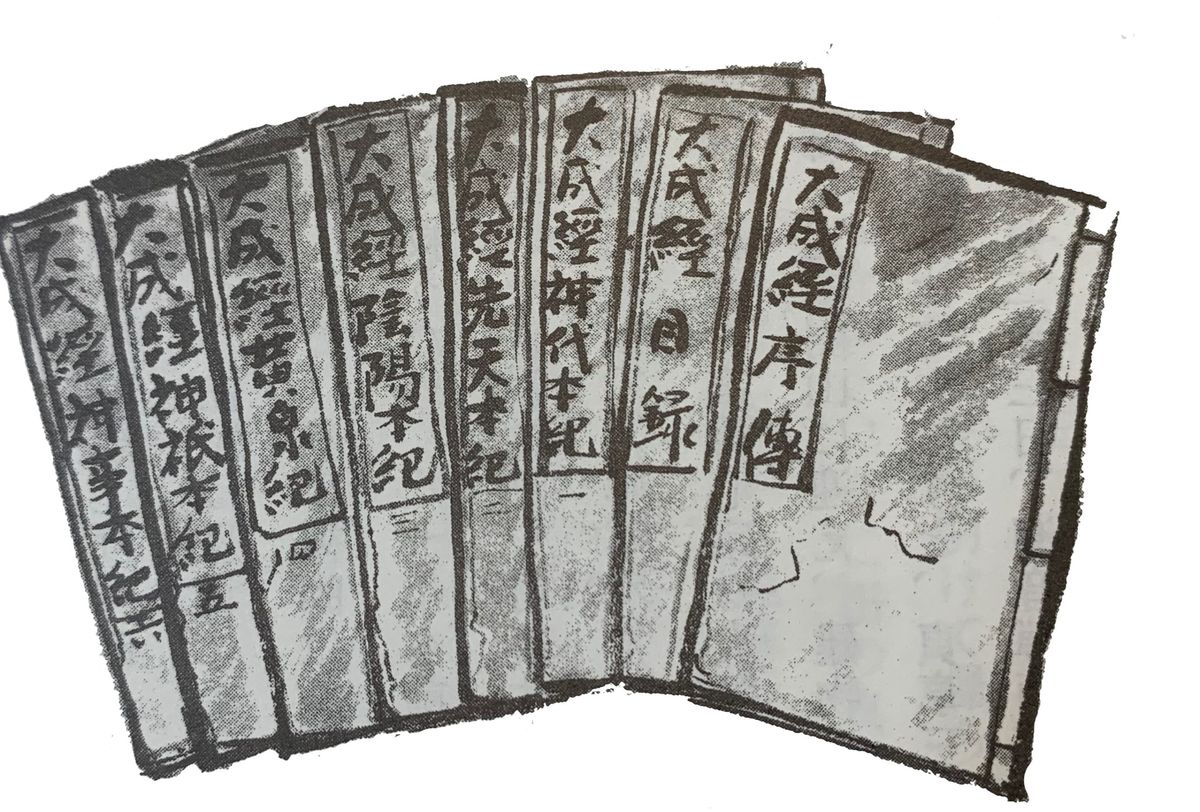
It
Although
In
Chapter 26
The Ōbaku style of Zen sweeps the eastern provinces
In
Zen
Chapter 27
Building the Tōunkyō bridge at Ōbakusan
In
Master
A
Sadly,
Chapter 28
Leaving Mantokusan Kōsaiji
In
When
At
Ever
Part 5
Last years at Kurotakisan
Chapters 29–36
Chapter 29
Retiring to Kurotakisan
When
Because
At
On
He
Chapter 30
Poems of mountain life in Nanmoku
After
The
Chapter 31
Shōkōzan Seiganji
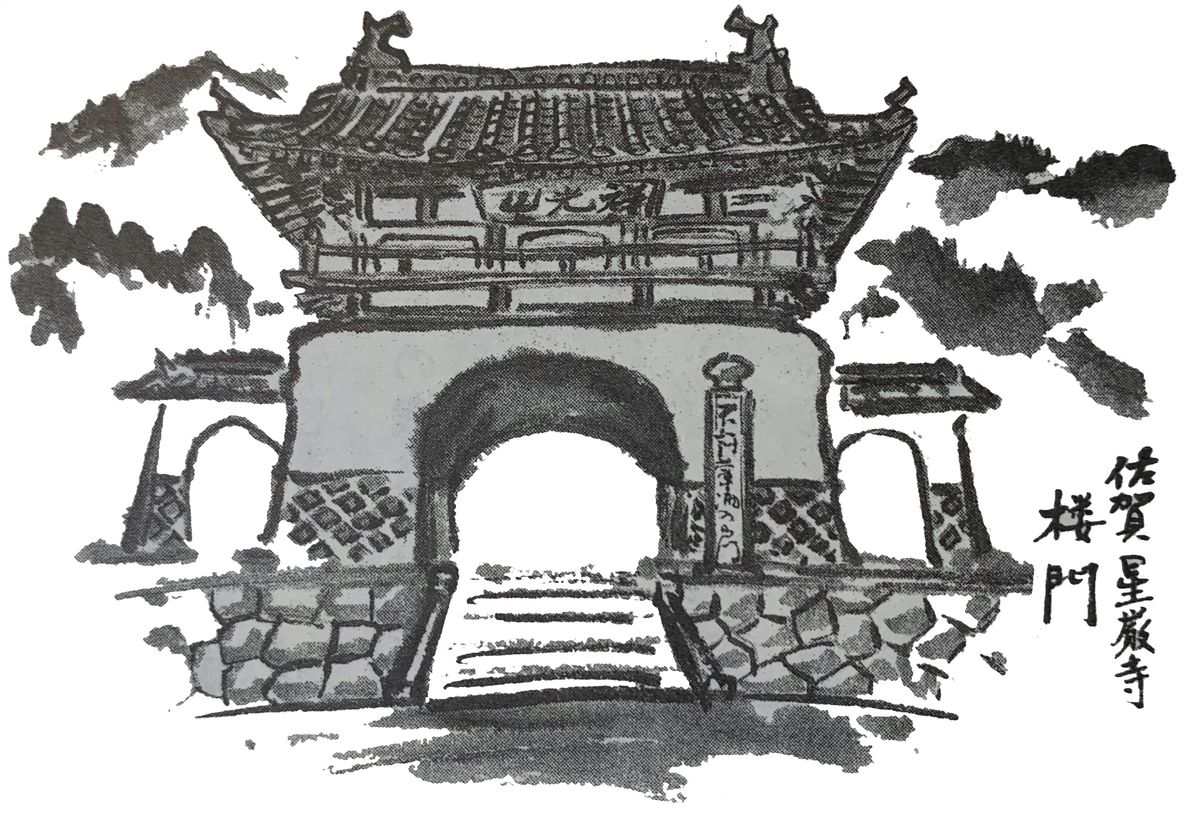
The
In
Chapter 32
Opening the Dharma hall at Kurotakisan
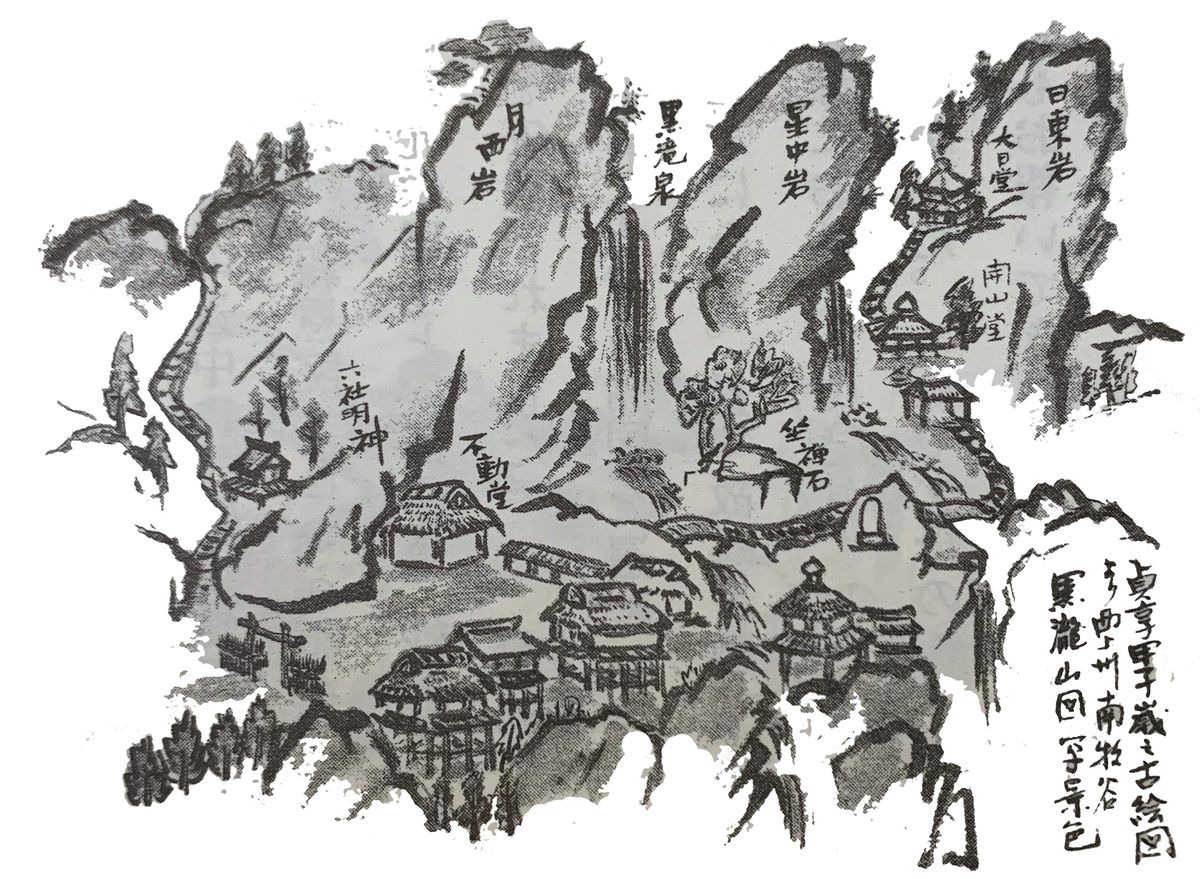
Kurotakisan
In
Chapter 33
Building Hōon-in
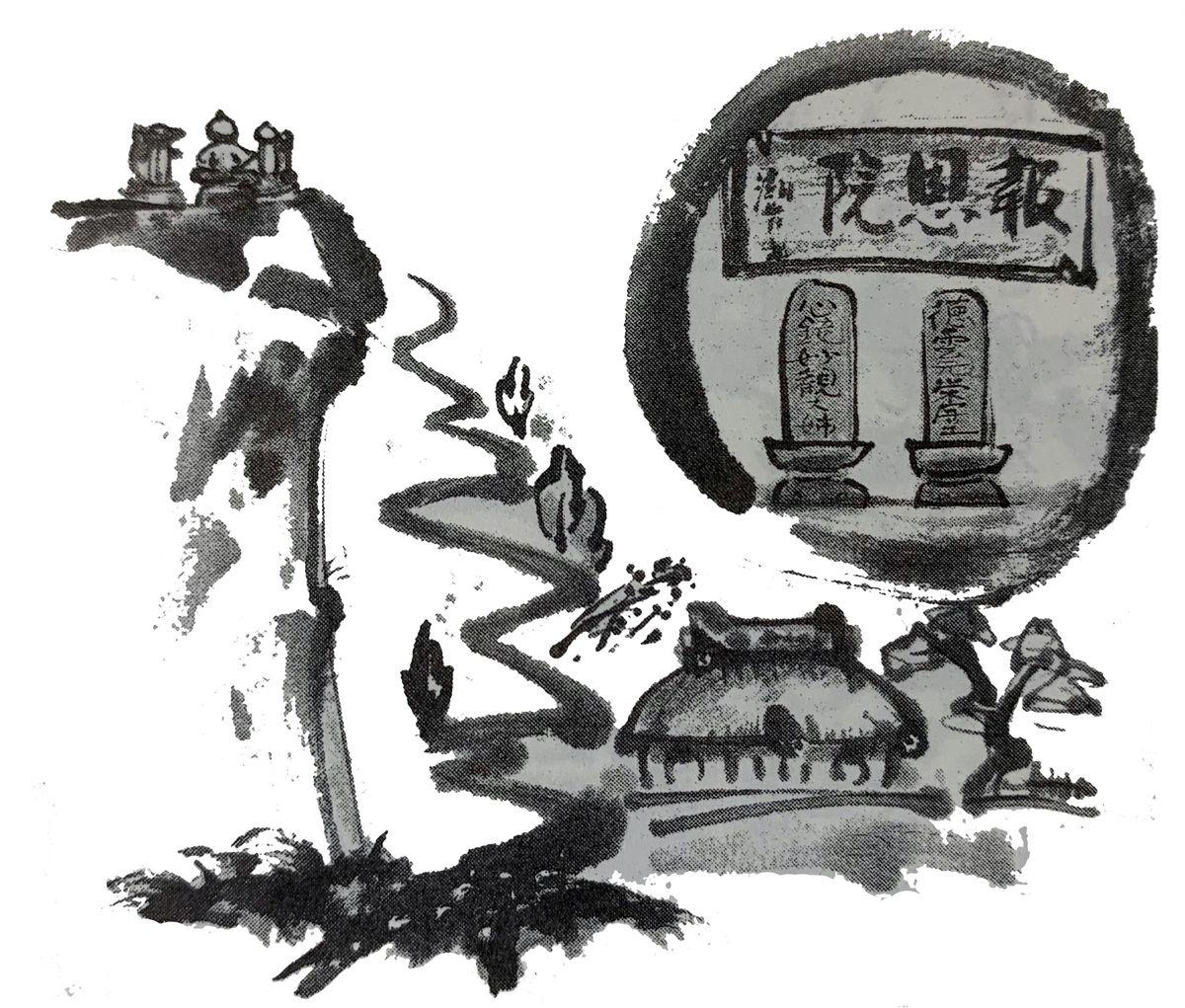
In
There
"Since
Chapter 34
Setting out on the last journey
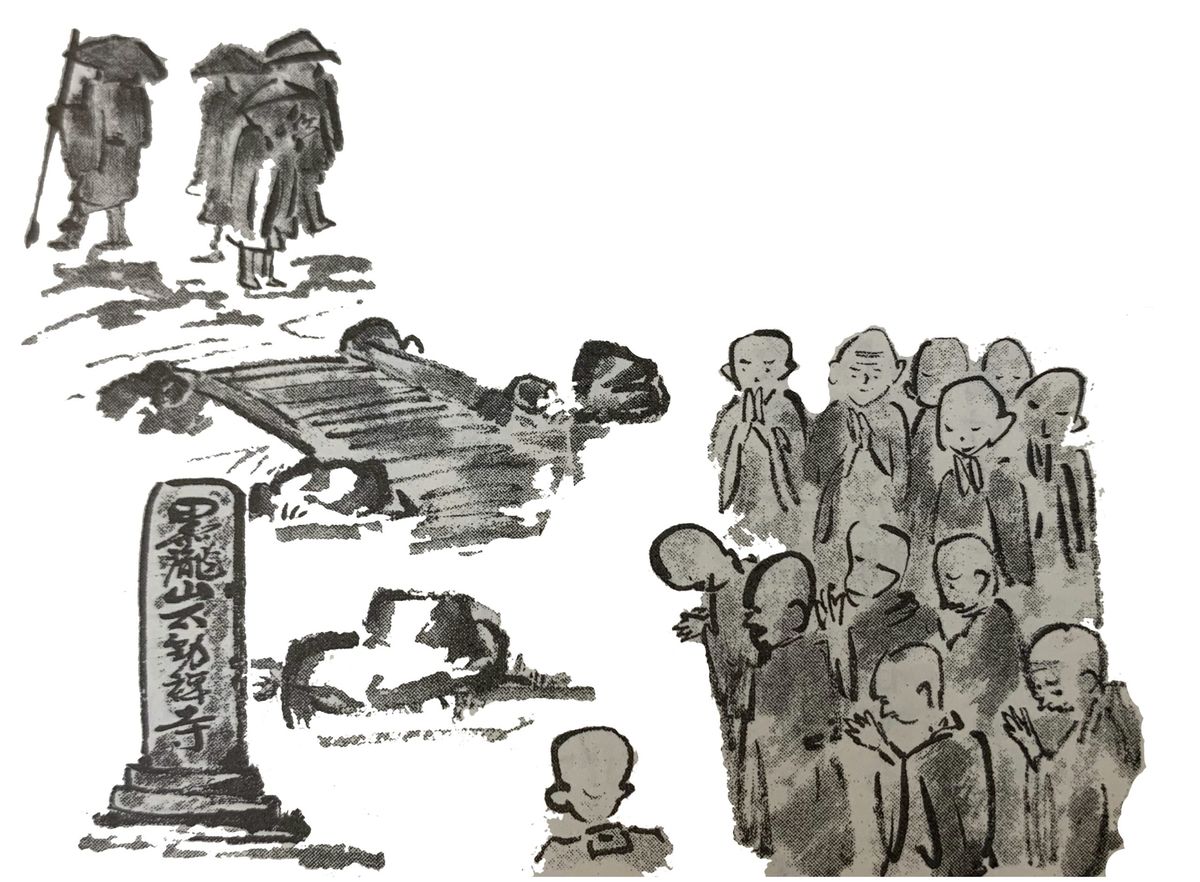
On
But
Chapter 35
Falling ill at Mankizan Rinsenji
The
At
On
Chapter 36
Passing away
It
But
Achievements
Main temples he founded23 temples
- Saga Prefecture
Shōkōzan Seiganji - Shiga Prefecture
Ibukisan Matsuoji - Gifu Prefecture
Mankizan Rinsenji, Daijizan Komatsuji, Shikinzan Hōgonji - Nagano Prefecture
Asamasan Fugenji, Uhōzan Zenshōji, Gyokuseizan Hōjō-in, Enichizan Senju-in, Kikusuizan Kannonji - Aichi Prefecture
Jingozan Senshōji, Daiyūzan Senzōji - Tokyo
Fukujuzan Taiyōji, Enichizan Shinkōji - Gunma Prefecture
Mantokusan Kōsaiji, Kurotakisan Fudōji, Rokuonzan Fumonji, Jigenzan Jinkōji - Tochigi Prefecture
Daisekizan Tōunji, Iwaisan Sennenji - Yamagata Prefecture
Kinpōzan Bairyūji - Miyagi Prefecture
Reigakuzan Ryūzōji - Aomori Prefecture
Rurisan Yakushiji
Main related temples50 temples
- Kyoto Prefecture
Ōbakusan Ryokuju-in, Byakugōzan Ichiyō-in, Itokuzan Yakushi-in, Byakugōzan Jōshin-in, Byakugōzan Chōyō-in - Saga Prefecture
Konzokuzan Gyokugōji, Seihōzan Shinshōji, Tenshinzan Jōinji, Shinkūzan Komatsuji, Jionzan Muryōji - Hyōgo Prefecture
Shikinzan Kōzenji - Wakayama Prefecture
Yōrōzan Kanpukuji - Shiga Prefecture
Nan'yōzan Kōrinji, Daijōzan Jōenji - Gifu Prefecture
Seisuizan Jōrakuji, Jiunzan Daibaiji, Suijōzan Kichijōji - Nagano Prefecture
Daijizan Entsūji, Enichizan Jufuku-in, Daijizan Kannon-dō - Aichi Prefecture
Shiunzan Tōzenji - Tokyo
Mantokusan Kōsaiji, Ryūsenzan Tōunji, Eijuzan Kaifukuji, Seizan Kaizōji, Kōtōzan Jushō-in - Chiba Prefecture
Dōetsuzan Hōgenji - Gunma Prefecture
Shinpukuzan Horinji, Shōrinzan Darumaji, Fudōsan Shōmyōji, Tōkazan Ryūmonji, Hōryūzan Chōfukuji, Shitennōzan Garyū-an - Saitama Prefecture
Taiheizan Kōkokuji, Tōgakuzan Enchū-in, Daiyūzan Saikōji, Nikkōzan Ankōji, Hōzan Chikō-an - Tochigi Prefecture
Jiunzan Shinpukuji, Jishōzan Suigetsu-in - Fukushima Prefecture
Daiunzan Ryūkōji - Miyagi Prefecture
Ryōsokuzan Dainenji, Kaigenzan Manjuji, Shōgetsuzan Tōgen-in, Daijizan Shōgen-in - Iwate Prefecture
Fukujuzan Daijiji, Hakuryūzan Kichiōji - Akita Prefecture
Kyokkōzan Miidera - Aomori Prefecture
Hōgenzan Hōgenji, Seitakuzan Fukuju-in
Main writings12 works
- Kannon Kantsū-den (観音感通伝)Kanbun 1 (1661)
- Rōsenshū (臘扇集)Kanbun 4 (1664)
- Mukai Nanshin (霧海南針)Kanbun 7 (1667)
- Jūshichijō Kenpō Chū (十七条憲法註)Kanbun 10 (1670)
- Shūmon Shinroshū (宗門滲漏集)Kanbun 11 (1671)
- Shōtoku Taishi Go-Kenpō (聖徳太子五憲法)Enpō 3 (1675)
- Zazenron (坐禅論)Enpō 6 (1678)
- Taiseikyō Hamon Tōshaku-hen (大成経破文答釈篇)Tenna 2 (1682)
- Shōtai Chōyōroku (聖胎長養録)Jōkyō 4 (1687)
- Nanmoku Sankyo Shi (南牧山居詩)Jōkyō 4 (1687)
- Fusō Goshinbutsu-ron (扶桑護神仏論)Jōkyō 4 (1687)
- Nanmoku Shōfu Hyakuginshū (南牧樵夫百吟集)Genroku 7 (1694)
Dharma heirs63 heirs
- Dōrin Shū
- Hōzan Zui
- Chitatsu Shū
- Daishin Kō
- Kakushō Sō
- Tōgen On
- Kōgen Sen
- Gyokudō Chin
- Kangetsu Shin
- Daikō Ki
- Kakuen Dai
- Kanshū Tetsu
- Konzoku Myō
- Shingetsu Kan
- Juzan Jun
- Sōshin Ge
- Jihō Shun
- Tenchū Sō
- Tatsugen Hon
- Geppo Shō
- Shingan Itsu
- Kenshin Jiki
- Dōkan Jaku
- Senzan Shū
- Sekimon Tsū
- Zuigan Shō
- Bangan Nei
- Kōshū Dō
- Bankoku Ei
- Zuirin Shō
- Zentō Chū
- Daitsū Sō
- Bukkan Chō
- Shūsui Ko
- Sengan Ju
- Setsuan Haku
- Sōryū Haku
- Shōgan Shō
- Chidō Kō
- Bansetsu Shu
- Koken On
- Dokuyō Sei
- Banzan Seki
- Tōgai Tō
- Kakuju Shun
- Nanshū Ton
- Daidō Sen
- Chikudō Setsu
- Daien Shū
- Kandō Rō
- Juhō Fuku
- Zuiryū Sen
- Reigan E
- Shunzan Sei
- Ungen So
- Chikai Kō
- Raiun Hō
- Hōun Tei
- Takkan Retsu
- Jitsugan Kaku
- Kōkan Nyo
- Kanshū Tsū
- Kōten Chō
Source:
The Life of Zen Master Chōon Dōkai (潮音道海禅師 の 生涯)
Publishedby the Committee for the 300th Memorial of Zen Master Chōon Dōkai